Why Cocoa Butter Tattoo Aftercare Actually Works (And What You Need to Know First)
Cocoa butter tattoo aftercare is one of the most searched topics for a reason — your new tattoo is essentially an open wound, and keeping it properly moisturized can make the difference between crisp, vibrant ink and a dull, patchy mess.
Here’s a quick answer to what most people want to know:
| Question | Quick Answer |
|---|---|
| Is cocoa butter safe for new tattoos? | Wait 2-3 days (after initial scabbing begins) before applying |
| How often should you apply it? | 2-3 times per day during healing |
| Does it fade tattoo ink? | No — it helps preserve color and vibrancy |
| Is it better than petroleum jelly? | Yes — it’s breathable, natural, and won’t trap bacteria |
| How long does tattoo healing take? | 10-30 days total; surface skin heals around day 7 |
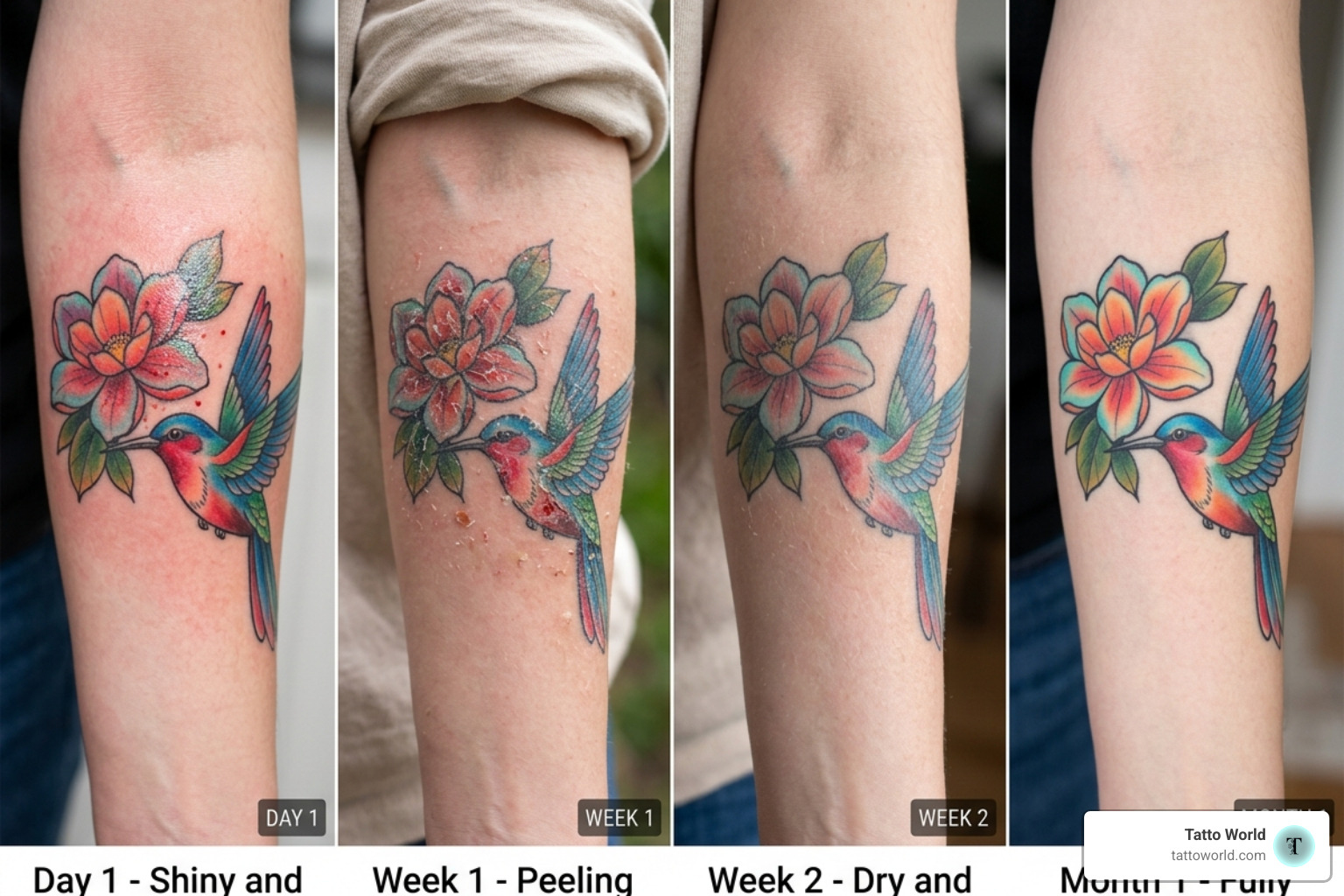
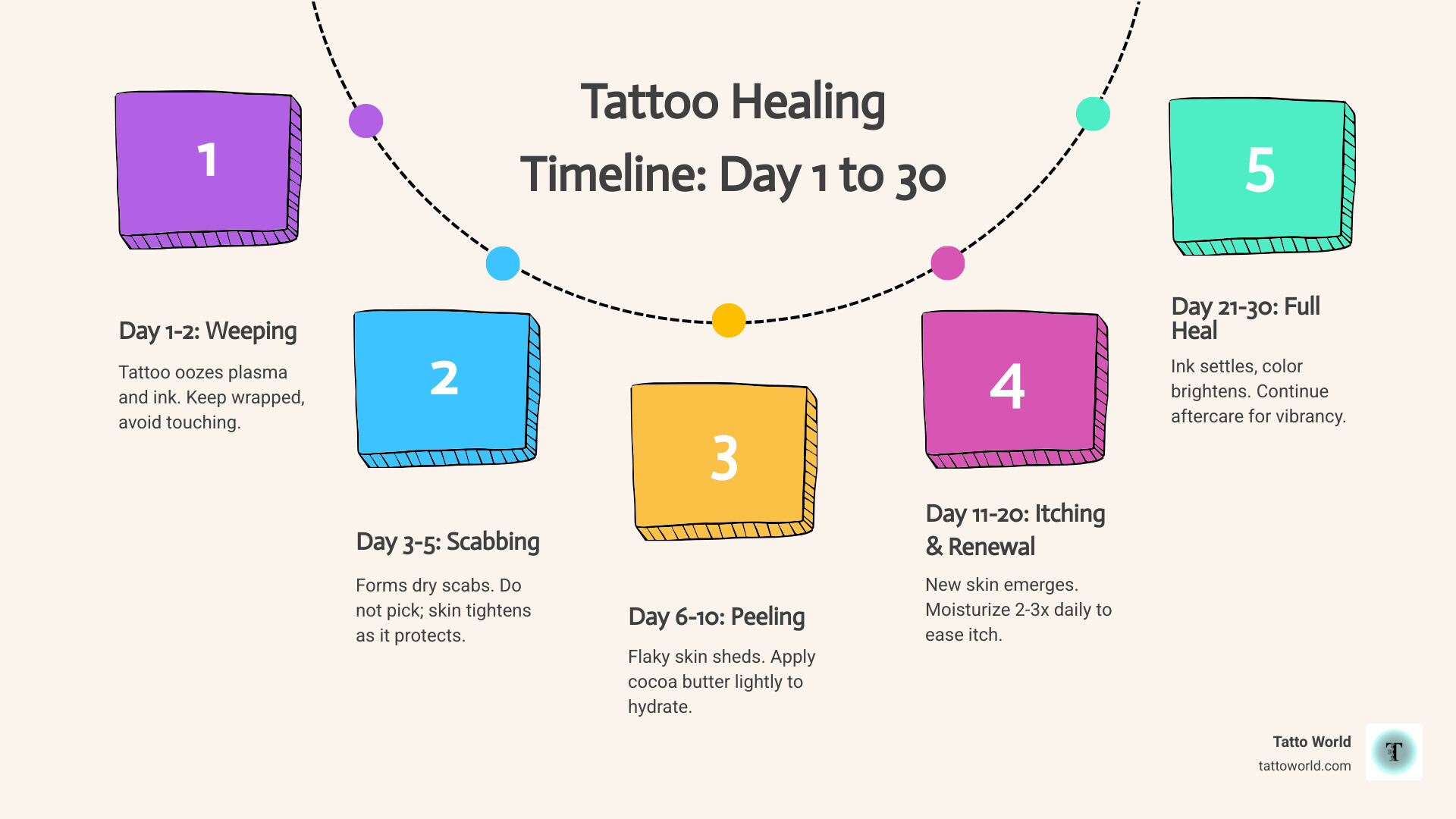
A fresh tattoo goes through several stages — weeping, scabbing, peeling, and settling — and what you put on your skin at each stage matters. Cocoa butter’s rich blend of fatty acids, Vitamin E, and natural antioxidants makes it a powerful tool, but only when used at the right time.
In 2026, more tattoo enthusiasts are moving away from harsh petroleum-based products toward natural alternatives like cocoa butter — and for good reason.
I’m Faisal S. Chughtai, a passionate tattoo blogger who has spent years researching and writing about tattoo tips, aftercare, and solutions here at Tatto World, including in-depth coverage of cocoa butter tattoo aftercare for all skin types. Let’s walk through everything you need to know to heal your ink the right way.
What is Cocoa Butter and Why Use It for Tattoos?
Cocoa butter is a vegetable fat extracted directly from the cocoa bean. While you might associate the smell with a delicious chocolate bar, in dermatology and body art, it is prized as a “super-ingredient” for skin recovery.
At its core, cocoa butter is packed with essential fatty acids. These include stearic acid, palmitic acid, and oleic acid. These aren’t just fancy scientific names; they are the building blocks of healthy skin. They work by creating a protective layer on the surface of your tattoo, locking in moisture while allowing the skin to perform its natural repair functions.
Beyond fats, cocoa butter contains high levels of Vitamin E and polyphenols. Vitamin E is a well-known antioxidant that helps soothe inflammation—a common side effect of getting poked by needles thousands of times. Polyphenols, meanwhile, help improve skin tone and elasticity, which is vital when your skin is trying to “knit” back together over a new design.
We often get asked, Is Cocoa Butter Good For Tattoos? The answer is a resounding yes, provided you understand the timing. It acts as a natural emollient, meaning it softens the skin and prevents the dreaded “tight” feeling that leads to cracking. You can find more specific product discussions in our Tag/Cocoa Butter section.
The Science of cocoa butter tattoo aftercare
The primary goal of cocoa butter tattoo aftercare is to maintain the skin’s moisture barrier. When you get a tattoo, the needle breaks the epidermis to deposit ink into the dermis. This leaves the barrier compromised. Cocoa butter provides a “second skin” effect, shielding the wound from environmental contaminants while preventing transepidermal water loss.
Research suggests that cocoa butter provides 48-hour long-lasting moisture. This is a game-changer for tattoo healing because it reduces the need for constant reapplication, which minimizes how much you have to touch your sensitive, healing skin.
Furthermore, the antioxidants in cocoa butter fight off free radicals. Free radicals are unstable molecules that can damage skin cells and potentially lead to premature fading or blurring of your ink. By neutralizing these, cocoa butter helps ensure your lines stay sharp and your colors stay saturated. To better understand how your body reacts during these initial phases, check out our guide on How To Survive The Four Stages Of Tattoo Healing Without Losing Your Mind.
Cocoa Butter vs. Petroleum-Based Products
For decades, the standard advice was to slather new tattoos in petroleum jelly. However, as we move through 2026, the industry has largely shifted. Here is why cocoa butter is often the superior choice:
| Feature | Cocoa Butter | Petroleum Jelly (e.g., Vaseline) |
|---|---|---|
| Breathability | High – allows oxygen to reach the wound | Low – creates an occlusive seal |
| Pore Clogging | Moderate (Comedogenic rating: 4) | High – can trap bacteria and sweat |
| Nutrient Content | Rich in Vitamin E and fatty acids | None (inert mineral oil) |
| Absorption | Melts into skin at body temperature | Sits on top of the skin |
Petroleum products can “suffocate” a tattoo. If the skin can’t breathe, it stays too moist, which can lead to “soggy” scabs that fall off prematurely, taking ink with them. While some people prefer Is Shea Butter Good For Tattoos, cocoa butter remains a top contender for its unique ability to melt into the skin upon contact.
When and How to Apply Cocoa Butter to Your Ink
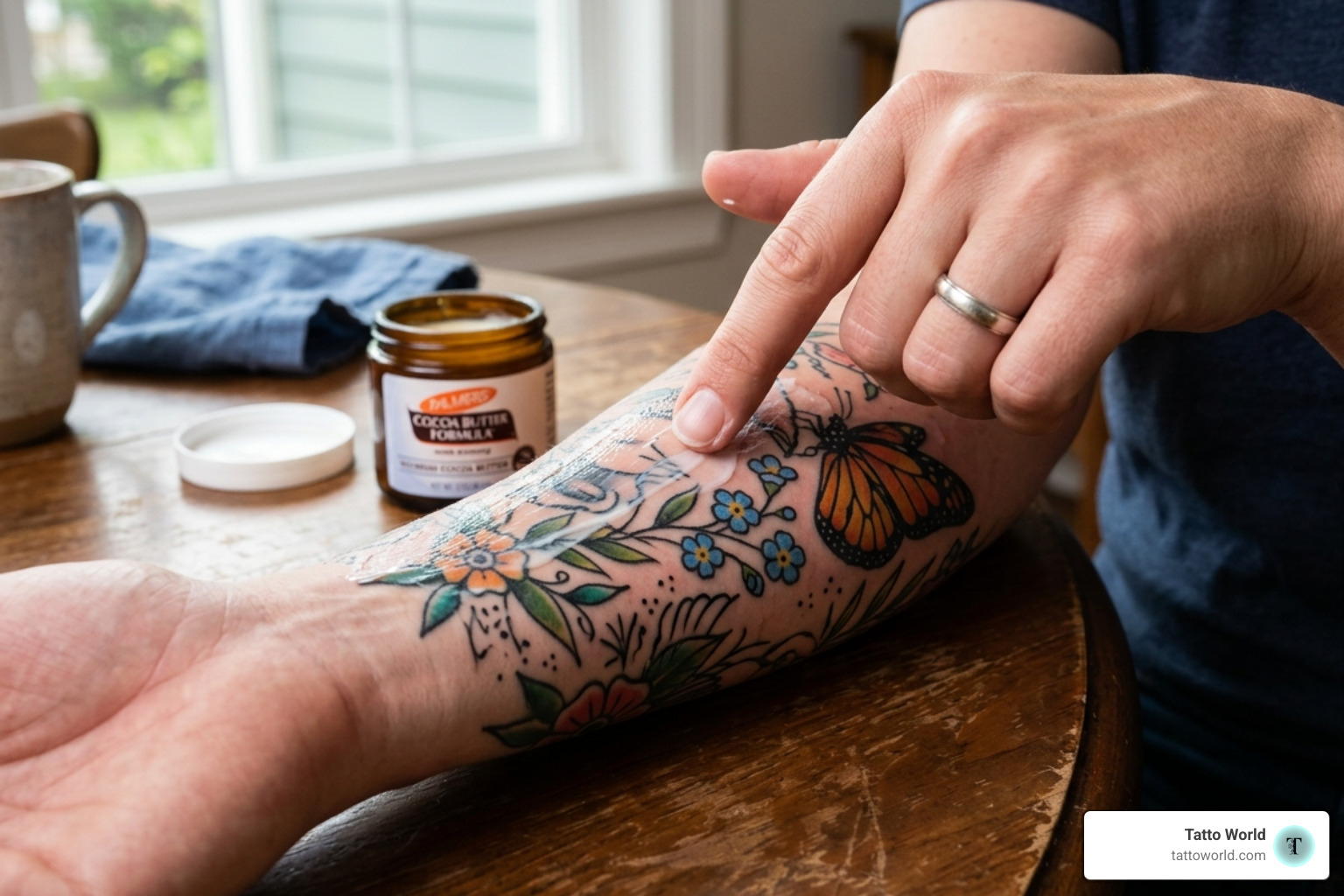
Timing is everything. If you apply a heavy butter to a brand-new, “weeping” tattoo (one that is still leaking plasma and ink), you risk trapping bacteria and causing an infection.
- Days 1-3 (The Weeping Phase): Stick to the basics. Keep the tattoo clean using What Cleansers Are Safe For New Tattoos. Use a very light, artist-recommended ointment or simply keep it clean and dry.
- Day 3 and Beyond (The Scabbing/Peeling Phase): This is when cocoa butter tattoo aftercare shines. Once the tattoo starts to feel tight, dry, or begins to flake, it’s time to introduce cocoa butter.
- The Transition: Switch from your initial medicated cream to cocoa butter once the initial “open wound” stage has passed and the surface skin has begun to close.
To learn more about the technical side of the first few days, read How To Heal Your New Tattoo Like A Pro.
Best Practices for cocoa butter tattoo aftercare
To get the most out of your butter without causing issues, follow these rules:
- Frequency: Apply a thin layer 2-3 times daily. If the skin feels tight or itchy, a small extra dab is fine, but don’t overdo it.
- The “Less is More” Rule: You should never see a thick, white layer of butter on your skin. It should be massaged in until the skin looks hydrated, not greasy. Over-application can lead to “bubbling” of the skin or blurred lines.
- Patch Testing: Before slathering it on your new masterpiece, test a small amount of cocoa butter on a non-tattooed area of skin. Wait 24 hours to ensure you don’t have an allergic reaction.
- Clean Hands Only: Never touch your tattoo or dip your fingers into a jar of butter without washing your hands with antibacterial soap first.
If you notice your skin becoming overly dry despite moisturizing, you might want to look into Why Is My Tattoo Cracking to see if you need to adjust your routine.
Long-Term Maintenance and Restoring Old Tattoos
One of the biggest mistakes people make is stopping their aftercare routine once the peeling stops. Cocoa butter tattoo aftercare isn’t just for healing; it’s for life.
As we age, our skin loses elasticity and moisture, which causes tattoos to look “fuzzy” or faded. Because cocoa butter is rich in Vitamin E, it acts as an anti-aging treatment for your ink. Regular application (once a day after your shower) keeps the skin supple, which allows the ink underneath to remain visible and sharp.
Furthermore, cocoa butter can actually help restore the look of older, dull tattoos. By deeply hydrating the top layers of the skin (the epidermis), it increases the contrast of the ink trapped in the dermis. It’s like putting a fresh clear coat on a car—it brings back the shine. Once you’ve successfully navigated the Healing Stages, make cocoa butter a permanent part of your bathroom cabinet.
Maximizing Results with cocoa butter tattoo aftercare
To ensure your tattoo looks great for decades, combine your cocoa butter routine with these habits:
- Internal Hydration: Drink plenty of water. No amount of lotion can fix skin that is dehydrated from the inside out.
- Sun Protection: Once your tattoo is fully healed (usually after 3-4 weeks), always apply a high-SPF sunscreen. The sun’s UV rays are the #1 enemy of tattoo ink.
- Choose Unrefined: Whenever possible, use raw, unrefined cocoa butter. It retains more of its natural healing fats and antioxidants compared to highly processed versions.
- Avoid Fragrances: If you are using a lotion rather than pure butter, ensure it is fragrance-free. Artificial scents are a leading cause of irritation on healing skin. While some people ask Is Olive Oil Good For Tattoos, cocoa butter generally provides a more stable, long-lasting barrier.
Frequently Asked Questions about Cocoa Butter and Tattoos
Is cocoa butter safe for a brand-new tattoo on day one?
In most cases, no. On day one, your tattoo is an open wound that is actively pushing out plasma and excess ink. Applying a thick, occlusive butter like cocoa butter can trap that fluid against your skin, creating a breeding ground for bacteria.
During the first 24-48 hours, focus on keeping the area clean. Your artist will likely have you wrapped in plastic or a “second skin” bandage. You should follow their specific instructions on How Long Should I Keep My Tattoo Wrapped before you even think about applying moisturizer.
Will cocoa butter cause my tattoo ink to fade or blur?
When used correctly, cocoa butter actually prevents fading by keeping the skin healthy. However, over-moisturizing can be a problem. If you apply too much butter and don’t allow the skin to breathe, the scab can become “soggy.” This causes the scab to pull out more ink than it normally would, leading to a patchy appearance.
Also, itching is a natural part of healing. When the “itchy phase” hits, apply a tiny amount of cocoa butter to soothe the skin instead of scratching. Knowing When Can You Scratch A Tattoo (spoiler: basically never while it’s healing) is crucial for ink preservation.
Is Palmer’s Cocoa Butter Formula recommended for tattoos?
Palmer’s is perhaps the most famous brand associated with cocoa butter, and many tattoo artists recommend it because it is affordable, accessible, and effective. However, you must be careful.
Standard Palmer’s lotions often contain fragrances which can irritate a fresh tattoo. If you choose Palmer’s, look for their “Fragrance-Free” versions or their solid “Jar” formula, which is often simpler and more concentrated. It is frequently listed in our Tag/Lotion For Tattoo recommendations for its Vitamin E enrichment.
Conclusion
At Tatto World, we believe that the art on your body deserves the highest level of care. Cocoa butter tattoo aftercare is a time-tested, natural, and scientifically backed method to ensure your healing process is as smooth as possible. By waiting for the right moment to start (Day 3), applying thin layers, and maintaining the habit long-term, you are protecting your investment and your skin.
Whether you’re a first-timer or a seasoned collector, switching to a natural emollient like cocoa butter can prevent cracking, reduce itching, and keep your colors popping for years to come.
For more expert advice on tattoo meanings, styles, and advanced aftercare, visit us at Tatto World. Happy healing!