Why Hand Tattoo Touch Ups Are Part of the Deal
Hand tattoo touch up work is something almost every hand tattoo owner will need at some point — and knowing what to expect upfront makes all the difference.
Here’s a quick summary of what you need to know:
- Hand tattoos fade faster than tattoos on most other body parts, due to constant movement, frequent washing, and skin that renews itself quickly
- Touch-ups are typically needed every 1–3 years for hand placements
- Wait at least 6–8 weeks after your original tattoo before evaluating whether a touch-up is needed
- Costs start around $150 for small hand tattoos in major cities, and many artists charge for hand touch-ups rather than offering them free
- Sun protection and daily moisturizing are the two biggest factors in slowing down fading between sessions
Hand tattoos are bold, beautiful, and always visible — but that visibility comes with a trade-off. The skin on your hands is some of the most active skin on your body. It’s constantly exposed to sunlight, soap, friction, and the elements. That means the ink breaks down faster than it would on, say, your shoulder or back.
Think of hand tattoo maintenance less like a one-time event and more like an ongoing commitment. The good news? Once you understand the fading cycle, staying ahead of it becomes much easier.
I’m Faisal S. Chughtai, and through years of researching and writing about tattoo care at Tattoo World, I’ve covered everything from first-time ink to complex hand tattoo touch up strategies. My goal here is to give you clear, practical answers so you can keep your hand ink looking sharp for years to come.
Why Hand Tattoos Fade Faster Than Other Placements
If you’ve noticed your hand ink looking a little “tired” compared to the piece on your forearm, don’t worry—it’s not necessarily a sign of a bad tattoo artist. As we move through April 2026, the industry consensus remains the same: hands are simply high-performance areas of the body.
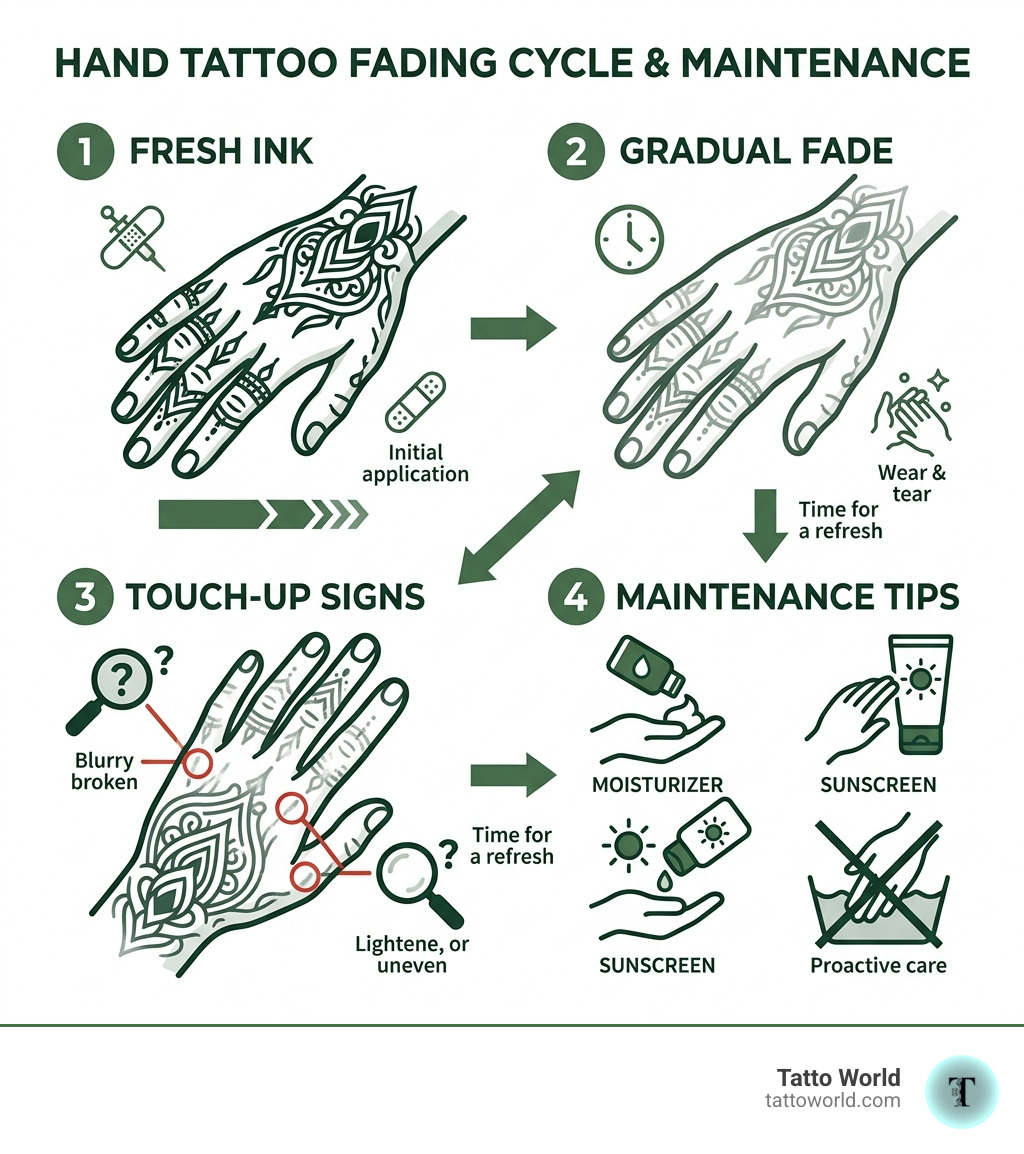
The primary culprit is cell turnover. The skin on our hands and feet is highly regenerative. It sheds and renews its outer layers much faster than the skin on your torso. Because the skin is constantly “recycling” itself, the ink trapped in the dermis can appear to migrate, break up, or shed along with those skin cells over time.
Then, there’s the issue of constant friction. Think about how many times a day you put your hands in your pockets, wash them with harsh soaps, or rub them against surfaces. This mechanical wear and tear acts like a very slow, very mild sandpaper on your skin. Coupled with the fact that hand skin is notably thin—especially on the fingers and knuckles—the ink has less “padding” to sit in securely.
Finally, we cannot ignore sun exposure. Our hands are almost always “out.” Unless you’re wearing gloves year-round, your hand tattoos are absorbing UV radiation every single day. UV rays are the ultimate enemy of tattoo pigment, breaking down the ink particles so your body’s immune system can carry them away. This is why hand tattoos often lose their “crispness” faster than tattoos in more protected areas. To learn more about the science of skin protection, you can review the EPA’s guide on UV radiation.
Recognizing When You Need a Hand Tattoo Touch Up
How do you know when it’s time to head back to the studio? It’s important to distinguish between the natural “settling” of a tattoo and actual ink loss.
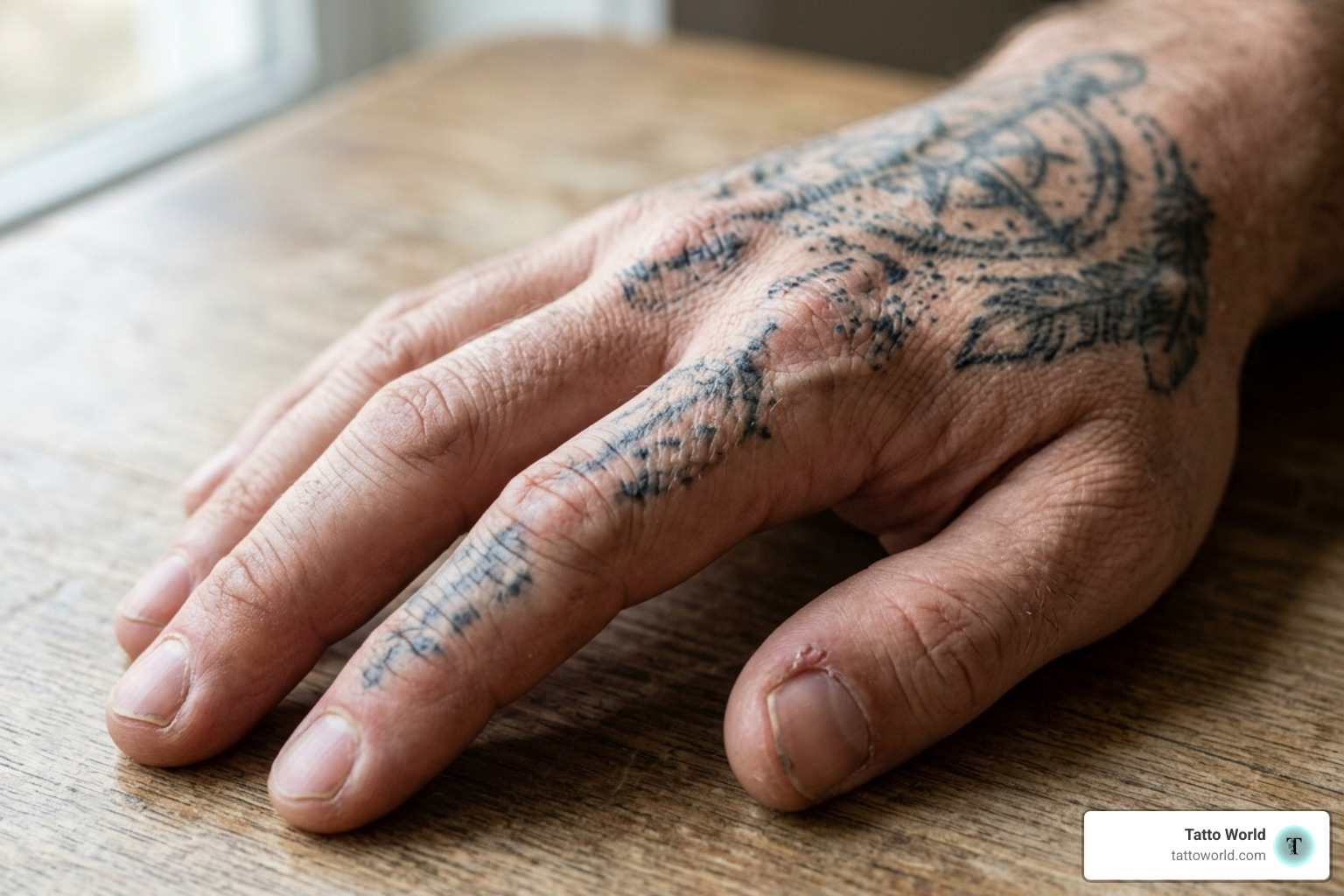
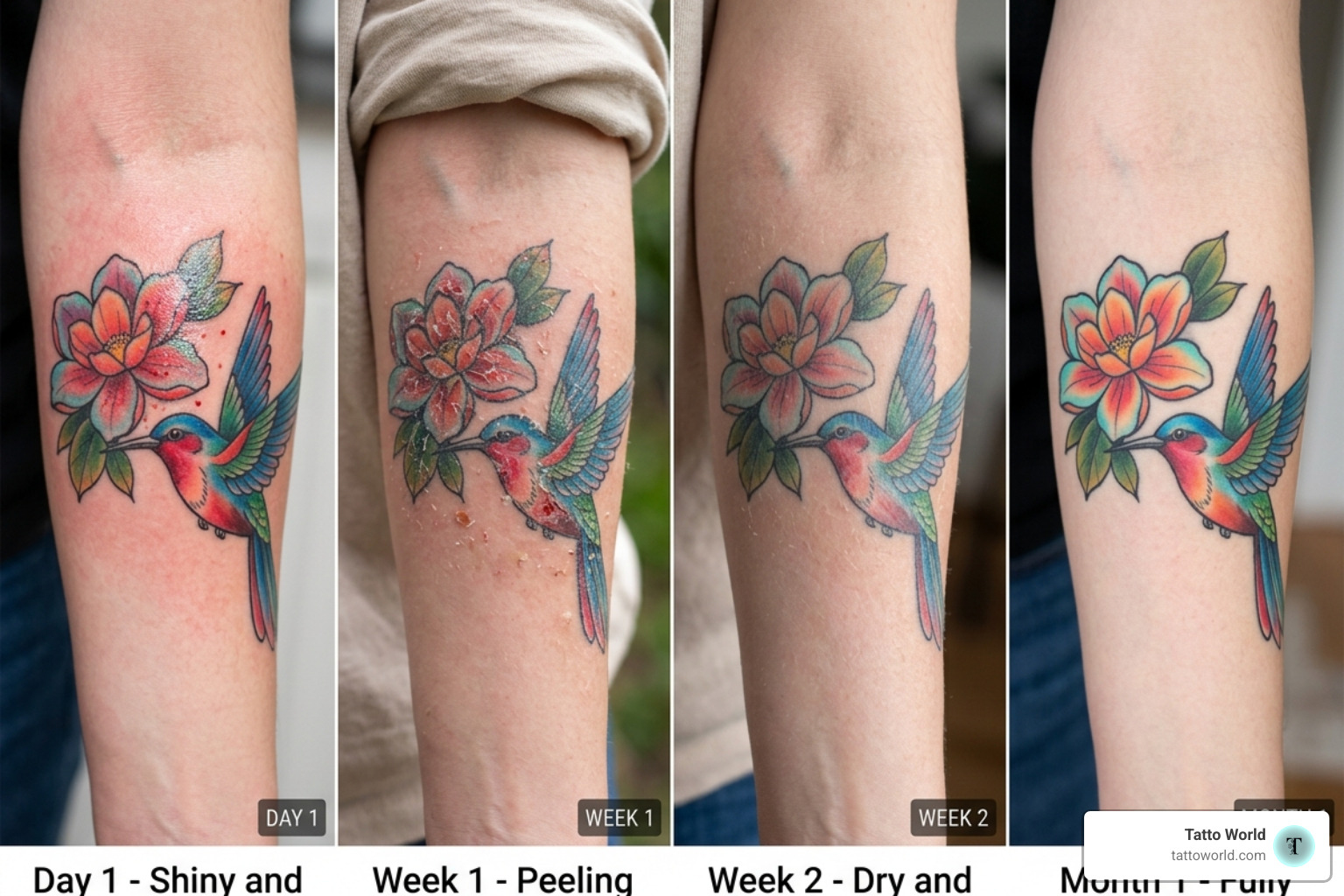
During the first 2 to 4 weeks, your skin is integrating the ink. You might see some peeling (like a sunburn) or scabbing. This is normal. However, once you hit the 6-8 week mark, the “true” tattoo is revealed. If you see patchy shading, broken lines, or significant color loss at this stage, it’s time to look into a hand tattoo touch up.
The Settling Period vs. Ink Fallout
A “settled” tattoo will look slightly softer than it did on day one. This is because a new layer of skin has grown over the ink. However, “ink fallout” is different—this is where the ink literally disappears in certain spots, leaving the skin looking bare or grayish. This often happens on the sides of the fingers or across the knuckles where the skin moves the most.
| Tattoo Stage | Appearance | Texture | Action Needed |
|---|---|---|---|
| Fresh Ink | Extremely bold, slightly raised | Tender, “wet” look | Strict aftercare |
| Faded Ink | Milky colors, broken lines | Smooth, like normal skin | Evaluate for touch-up |
| Touched-Up | Restored vibrancy, sharp edges | Slightly tender (temporary) | Mini-aftercare routine |
Another sign you might need a refresh is a blowout. While a touch-up can’t “erase” a blowout (where ink spreads too deep and looks blurry), a skilled artist can sometimes add detail or weight to nearby lines to camouflage the fuzziness. If you are unsure if your ink is healing correctly, you can check our guide on how to Retouch My Tattoo for more visual cues.
The Hand Tattoo Touch Up Process and Cost
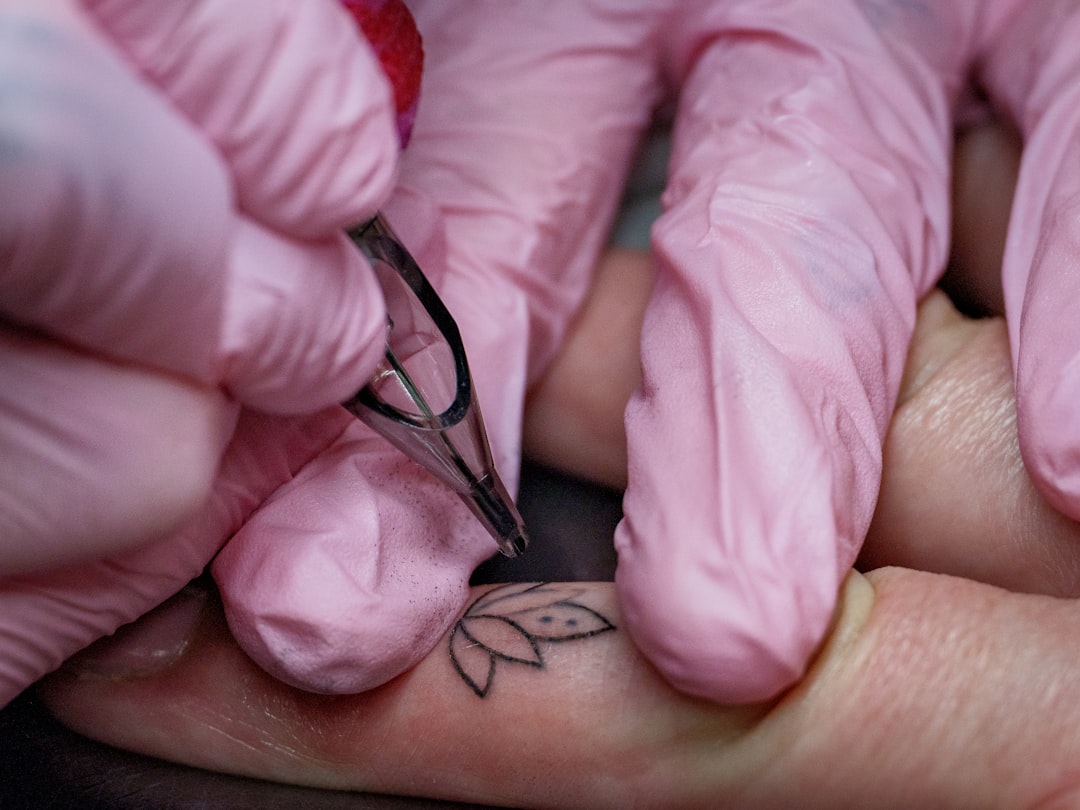
When you go in for a hand tattoo touch up, the process is very similar to the original session, just shorter. The artist will clean the area and essentially “trace” over the faded parts to re-saturate the skin with pigment.
Finding a Specialist
Not every artist loves doing hands. Because the skin is thin and sits directly over bone and tendons, it requires a steady hand and precise needle depth. If the needle goes too deep, you get a blowout; too shallow, and the ink falls out within weeks. We always recommend looking for an artist with a strong “healed” portfolio of hand work.
Understanding the Cost
There is a common myth that all touch-ups are free. While many shops offer a free touch-up policy within a 3-6 month window, this often excludes high-friction areas like the hands, feet, and inner lips. Because fading is almost guaranteed in these spots, artists usually charge a fee to cover their time and the $10–$40 in medical supplies (needles, ink, bandages) used for the session.
In major cities like New York or Los Angeles, expect a minimum shop fee of $150. If the work is extensive—for example, if you’re refurbishing a full-color traditional piece—the artist may charge their standard hourly rate, which can range from $100 to $300+. You can find more information on pricing and artist tags by visiting our Tag: Retouch My Tattoo section.
Essential Aftercare to Preserve Your Ink
Aftercare for a touch-up is just as vital as the first time around. In fact, because hand skin is so prone to movement, you have to be even more diligent.
The First 48 Hours
Many artists now use medical-grade barriers like Saniderm. For hands, however, these can be tricky because of the constant bending of the wrist and fingers. If you aren’t using a “second skin” bandage, keep the area clean with mild, fragrance-free soap. Wash your hands 2–3 times daily, but avoid “soaking” them in the sink or a bath.
Long-Term Maintenance Products
To keep your hand tattoo touch up looking fresh for as long as possible, you need a daily routine. Here is what we recommend keeping in your kit:
- SPF 30+ Sunscreen: This is non-negotiable. Apply it every single morning.
- Unscented Moisturizer: Keeping the skin hydrated prevents the “dull” look that dry skin gives to black ink.
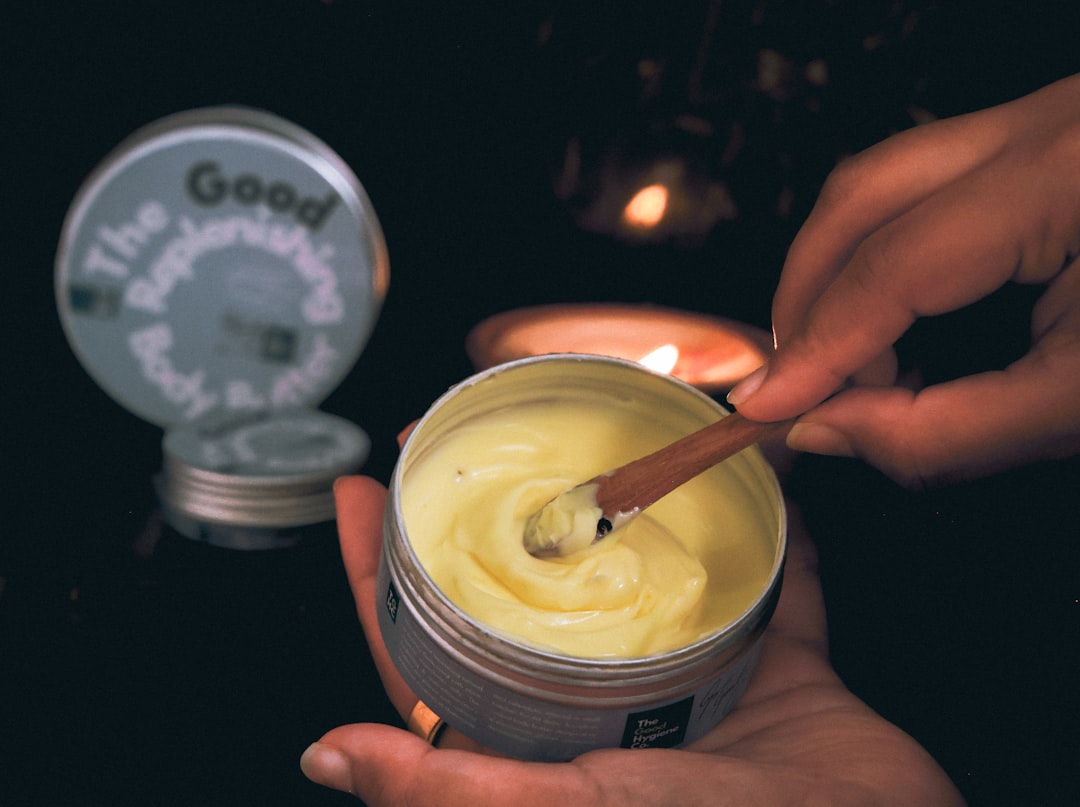
- Healing Salve: Products like Aquaphor or dedicated tattoo balms are great for the first week of peeling.
- Protective Gloves: if you work with chemicals, do a lot of dishes, or garden, wear gloves! Protecting your skin from harsh elements is the best way to prevent frequent trips to the studio.
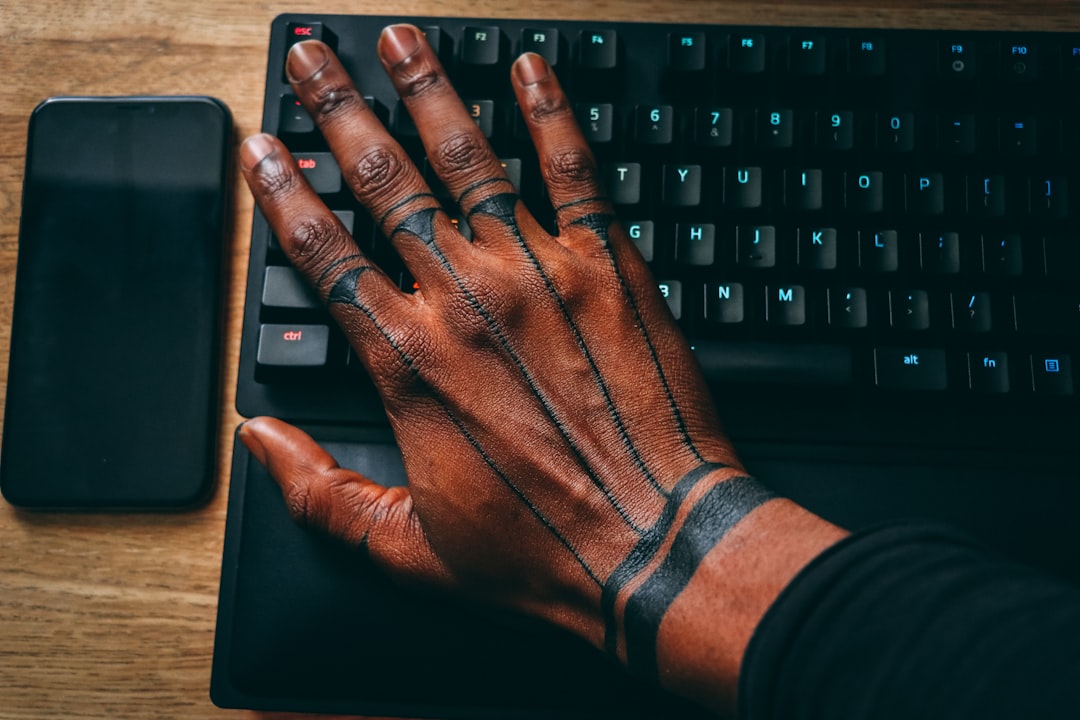
For those interested in the specific aesthetic needs of masculine designs, our guide on Hand Tattoos for Men offers deeper insights into how bold lines can help longevity.
Frequently Asked Questions About Hand Tattoo Maintenance
How often will a hand tattoo touch up be required?
Realistically, you should expect to get a hand tattoo touch up every 1 to 3 years. If your tattoo features very fine lines or light colors (like yellow or white), you might even need a refresh every 12 months. Bolder, “traditional” styles with heavy black outlines tend to hold up longer, potentially lasting 3–5 years before needing a boost.
Are touch-ups for a hand tattoo touch up more painful?
This is a “yes and no” answer. The session is usually much shorter (30 minutes to 2 hours), which makes it easier to handle. However, you are often tattooing over scar tissue or areas that have been worked before. This can make the skin slightly more sensitive. Psychologically, you already know what the needle feels like, which can either make you more relaxed or more anxious!
Can any artist perform my touch-up?
While any licensed artist can do it, many prefer to only touch up their own work. If you go to a new artist for a hand tattoo touch up, they may consider it a “rework” or “refurbishment” rather than a simple touch-up, which could increase the price. Always send clear, well-lit photos of your current faded ink when reaching out to a new specialist.
Conclusion
At Tattoo World, we believe that a tattoo is a lifelong investment in your personal canvas. Getting a hand tattoo touch up isn’t a sign that something went wrong—it’s just “smart maintenance,” much like getting the oil changed in a high-performance car. By choosing a specialist artist, waiting for the proper healing window, and being religious about your sun protection, you can keep your hand tattoos looking as vibrant as the day you got them.
Ready to bring your ink back to life? Don’t let those lines stay blurry. Schedule your hand tattoo touch up today and let a professional restore the art you love.