What Every Beginner Needs to Know About Tattoo Healing
A beginner tattoo healing guide starts with one simple truth: the moment the needle stops, your real work begins.
Here is a quick overview of the core steps to heal your new tattoo properly:
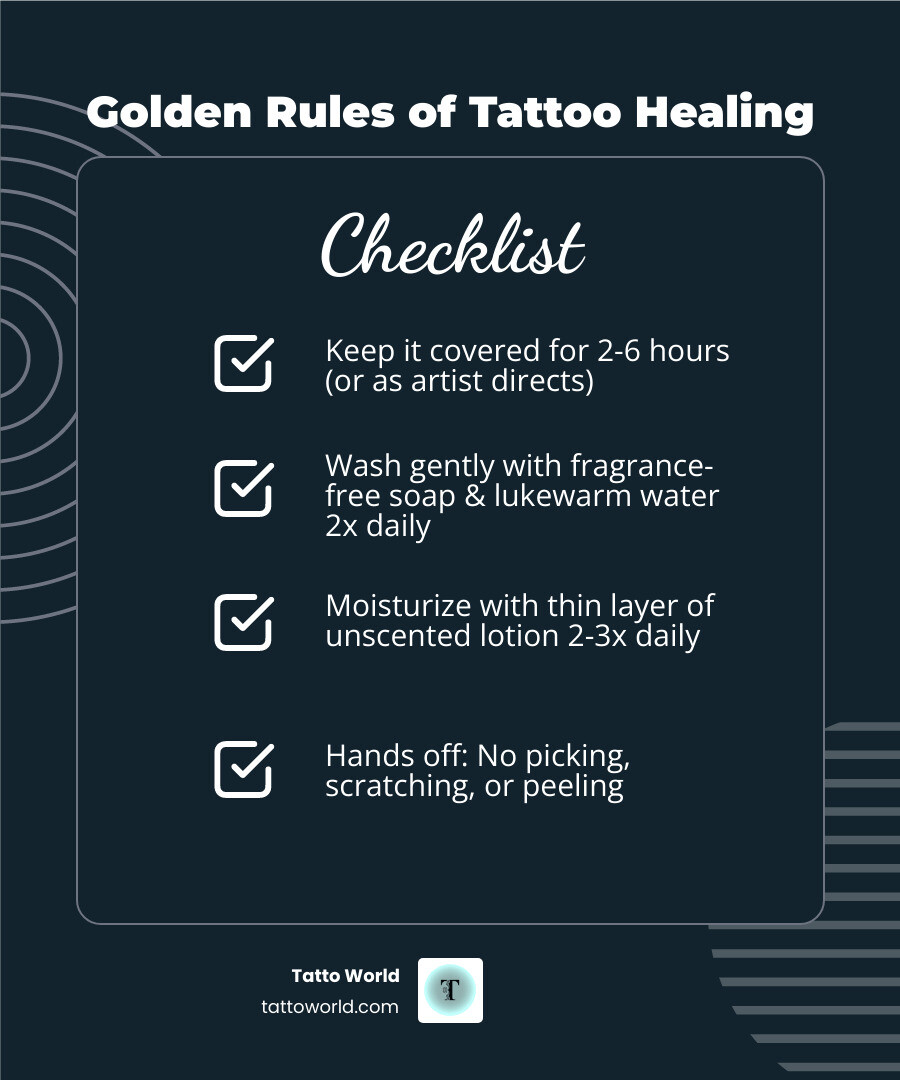
- Keep it covered – Leave the initial bandage on for as long as your artist recommends (a few hours to several days).
- Wash gently – Clean with lukewarm water and fragrance-free soap twice a day.
- Moisturize – Apply a thin layer of unscented, water-based lotion 2-3 times daily.
- Hands off – No picking, scratching, or peeling the skin.
- Block the sun – Keep the tattoo out of direct sunlight until fully healed.
- Skip the soak – No swimming, baths, or hot tubs for at least 3-4 weeks.
- Watch for problems – Fever, red streaks, or persistent swelling past day 6 need medical attention.
Your new tattoo is an open wound. The outer layers of skin heal within 2-3 weeks, but the deeper dermis layer can take up to 3-4 months to fully recover. How you treat it in the first days and weeks directly shapes how sharp, vibrant, and clean it looks for years to come.
Getting the aftercare right is not complicated — but it does require consistency and the right information from the start.
I’m Faisal S. Chughtai, the founder of Tatto World, and I’ve spent years researching and writing about tattoo tips, designs, and aftercare to help beginners like you navigate every stage of the tattoo journey — including building a solid beginner tattoo healing guide you can actually trust. I’ll walk you through everything step by step, so you can protect your investment and keep your ink looking its best.
Pre-Tattoo Preparation and the First 48 Hours
Success in your beginner tattoo healing guide actually starts before you even sit in the chair. Think of your body as the canvas; a well-hydrated, well-nourished canvas holds ink better and heals faster. In the 24 hours leading up to your appointment, we recommend drinking plenty of water and eating a hearty meal. Avoid alcohol, caffeine, and blood thinners like aspirin or ibuprofen, as these can increase bleeding during the process.
Many beginners ask, How Bad Does an Inner Bicep Tattoo Hurt? While pain is subjective, areas with thinner skin generally pack more of a punch. You might wonder, Why Don’t Tattoo Artists Use Numbing Cream? Often, it’s because these creams can change the texture of the skin, making it harder for the artist to saturate the ink evenly.
Once the masterpiece is finished, your artist will apply an initial bandage. This is your first line of defense against bacteria. You might notice some “weeping”—a mix of plasma, excess ink, and a little bit of blood. Don’t panic! This is a completely normal histamine response to skin trauma. The big question is always: How Long Should I Keep My Tattoo Wrapped? If it’s traditional plastic wrap, usually 2 to 6 hours is standard. If it’s a medical-grade adhesive like Saniderm, your artist might suggest leaving it on for several days.
Your Day-by-Day Beginner Tattoo Healing Guide
Healing isn’t a single event; it’s a journey. As of April 2026, the medical consensus remains that while the surface looks fine quickly, the deeper layers are still busy at work for months.
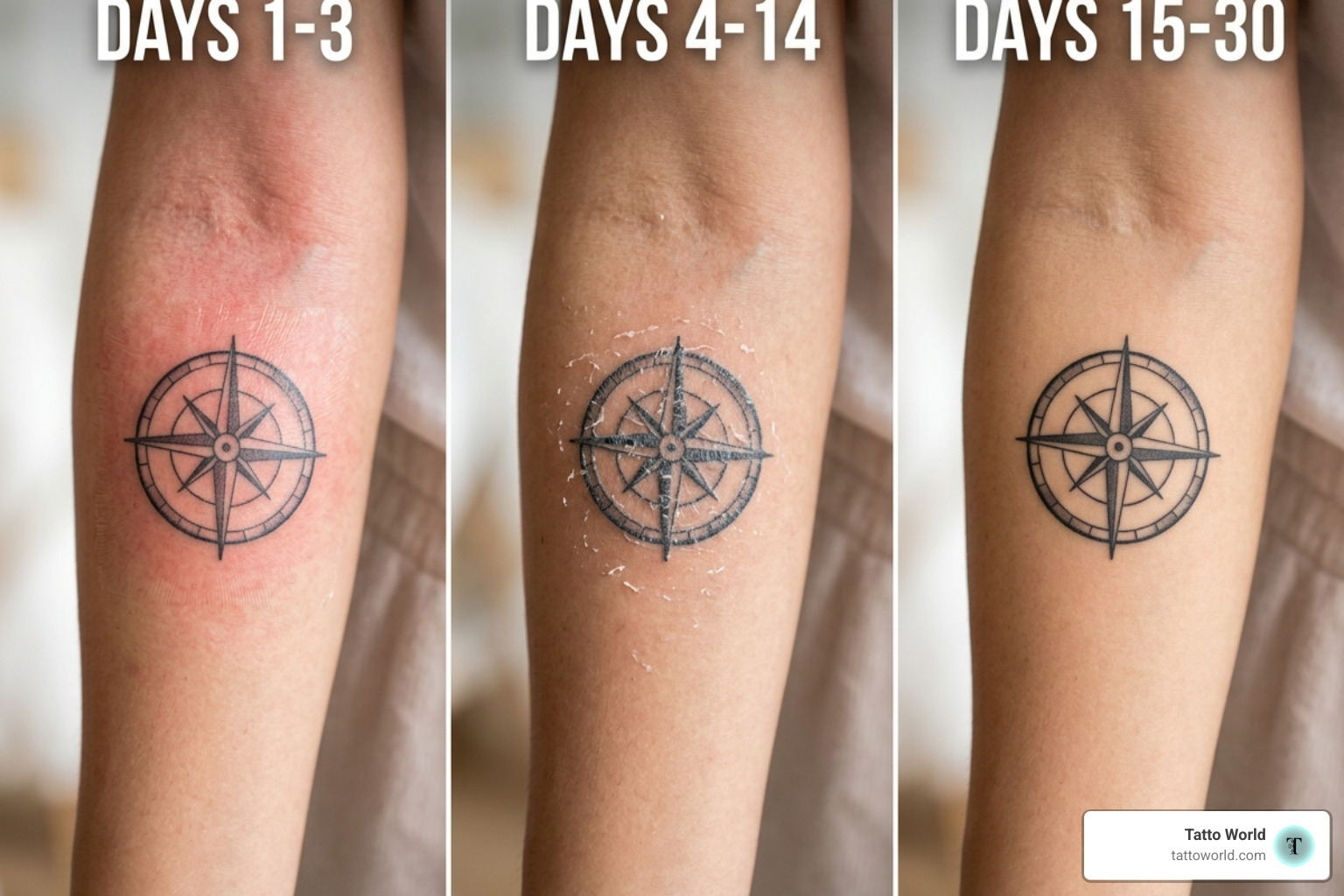
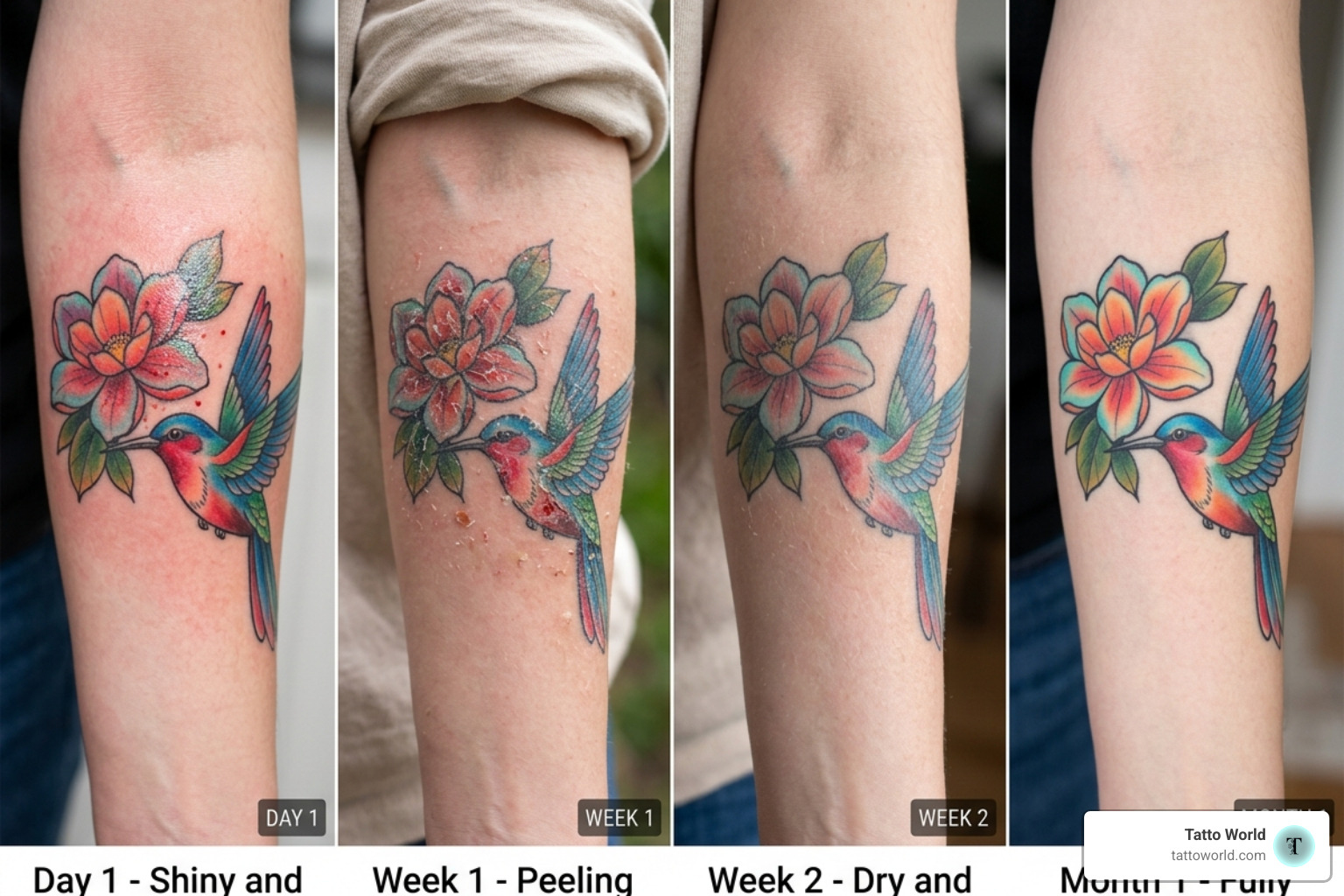
Days 1–3: The Inflammation Phase
Your tattoo will feel like a fresh sunburn. It may be red, swollen, and warm to the touch. This is the “oozing” stage where plasma helps form a protective barrier. Keep it clean and don’t over-moisturize.
Days 4–14: The Peeling and Itching Phase
This is where most beginners get nervous. Your tattoo will start to flake, much like a peeling sunburn. You might see “colored” skin falling off—don’t worry, the ink is safely in your dermis; you’re just shedding the top layer of dead skin. This phase is notoriously itchy. If you’re wondering, Why Is My Tattoo Cracking?, it usually means the skin is too dry. A tiny bit of lotion goes a long way here. For more details on these stages, check out Everything You Need to Know About Tattoo Aftercare.
Days 15–30: The Clouding Phase
The peeling has stopped, but the tattoo might look slightly dull or “milky.” This is new skin growing over the ink. By the end of the first month, the surface is “healed,” but the 3-4 month deep recovery is still happening underneath.
Essential Products and Cleaning Techniques
When it comes to cleaning, “gentle” is the keyword. Always wash your hands thoroughly before touching your tattoo. Use lukewarm water—hot water can open pores and cause ink loss, while cold water won’t effectively remove dried plasma.
Use a fragrance-free, liquid antibacterial soap. Avoid bar soaps, which can harbor bacteria in the shower. When drying, never rub the tattoo with a bath towel. Instead, pat it dry with a clean, disposable paper towel. For a deeper dive into safe products, see What Cleansers Are Safe for New Tattoos? and specifically, Can You Use Hibiclens on Tattoo?
Bandage Comparison Table
| Feature | Traditional Wrap (Cling Film) | Breathable Adhesive (Saniderm/Second Skin) |
|---|---|---|
| Duration | 2–6 Hours | 3–5 Days |
| Protection | Basic barrier | Waterproof & Bacteria-proof |
| Maintenance | Requires frequent washing | “Set it and forget it” |
| Visibility | Usually covered by tape/gauze | Transparent; can see the ink |
For more professional insights, refer to Tattoo Aftercare: The Complete Guide for Artists and Clients | PostCare.
Choosing the Right Moisturizer for a Beginner Tattoo Healing Guide
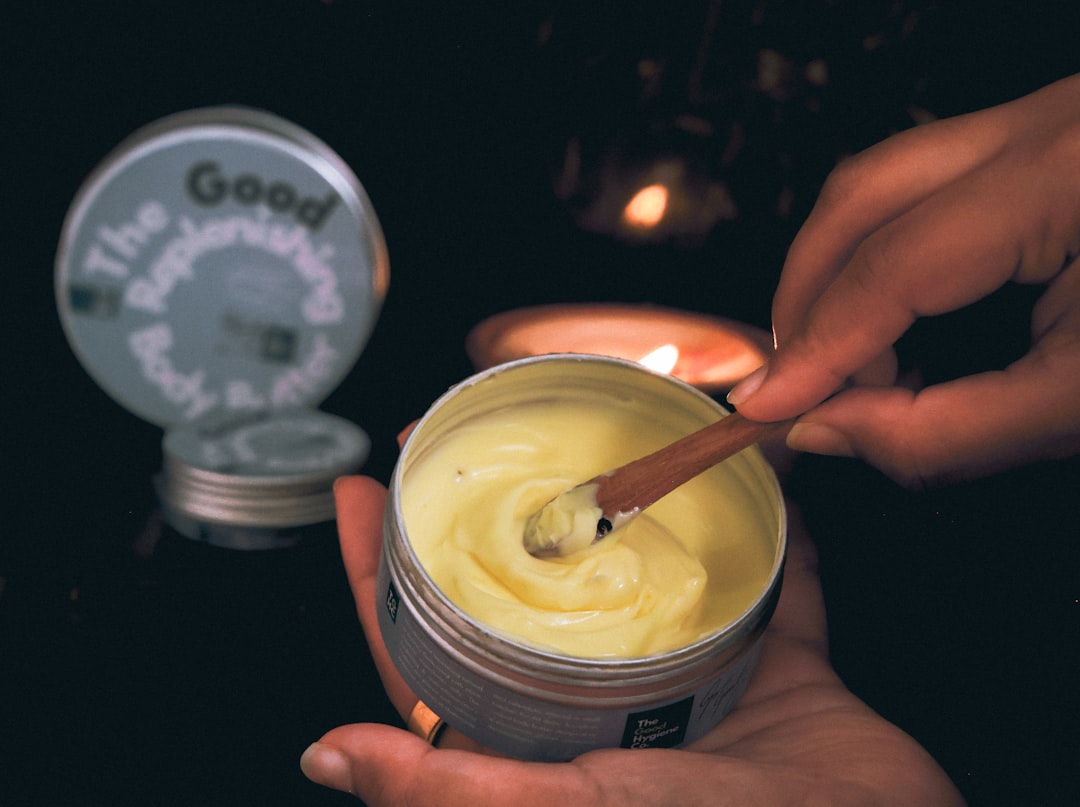
Moisturizing is a balancing act. Too little, and the skin cracks; too much, and you “suffocate” the tattoo, which can lead to bubbles or infection. We recommend water-based, fragrance-free lotions.
- Is CeraVe Lotion Good for Tattoos? Yes, Is CeraVe Lotion Good for Tattoos? It is often recommended by dermatologists for its barrier-repairing properties.
- Natural Butters: Many people ask, Is Shea Butter Good for Tattoos? or Is Cocoa Butter Good for Tattoos? These are excellent once the tattoo has stopped oozing, but they can be heavy.
- What to Avoid: Avoid 100% petroleum products like Vaseline. They trap heat and bacteria. Also, be cautious with kitchen staples; for instance, Is Olive Oil Good for Tattoos?—it’s generally better to stick to products formulated for skin.
What to Avoid and How to Spot Complications
The “don’ts” are just as important as the “dos.”
- The Sun: UV rays are the enemy of ink. However, you must wait. Can You Put Sunscreen on a New Tattoo? The answer is no—not until the skin has fully finished peeling. Until then, use loose clothing to cover it.
- Water: No swimming or soaking. This includes the ocean, pools, and even your bathtub. Standing water is a playground for bacteria.
- Scratching: We know it itches, but When Can You Scratch a Tattoo? Never while it’s healing. Picking a scab can pull the ink right out of the dermis, leaving a permanent gap in your art.
Identifying Trouble
While most tattoos heal without a hitch, you need to watch for red flags. Normal healing involves some redness and minor swelling for the first few days. However, if you experience a fever, foul odors, green or yellow pus, or red streaks radiating away from the tattoo, seek medical help immediately. These are signs of a serious infection. For more health-related tips, see Tattoo Aftercare Tips To Keep Your Ink Healthy and Looking Fresh.
Managing Itching in Your Beginner Tattoo Healing Guide
When the itch becomes unbearable, your immune system is simply releasing histamines to repair the skin trauma. Do not use your fingernails! Instead:
- The Tap Technique: Gently slap or tap the area with clean hands. This confuses the nerve endings and provides relief without damage.
- Ice Packs: Can You Ice a Tattoo or Not? You can, but only if the ice is wrapped in a clean cloth and applied for short bursts.
- Antiseptics: Some wonder, Is Bactine Good for Tattoos? It can help soothe the area, but check with your artist first.
Frequently Asked Questions about Tattoo Healing
How long does it take for a tattoo to fully heal?
While the surface looks “done” in 2 to 3 weeks, it takes about 3 to 4 months for the deeper layers of the dermis to fully regenerate and for the ink to settle permanently. Treat it gently for the first full month.
Can I go to the gym with a new tattoo?
We suggest waiting at least 48–72 hours. Sweat isn’t the main problem—bacteria on gym equipment and friction from clothing are. If you do workout, clean the tattoo immediately afterward and avoid exercises that stretch or rub the tattooed area.
Why is my tattoo peeling and losing color?
Peeling is a natural part of the skin’s regeneration. It might look like the color is falling off, but you’re usually just seeing the pigment that was trapped in the epidermis (the top layer). Once the peeling stops, the vibrant ink in the dermis will shine through.
Conclusion
At Tatto World, we believe that a tattoo is only as good as its healing. By following this beginner tattoo healing guide, you are ensuring that your new ink remains a sharp, vibrant part of your story for a lifetime. Always prioritize your artist’s specific instructions—they know their ink and technique best.
Aftercare doesn’t stop after the first month. Long-term vibrancy depends on hydration and consistent sun protection. For more expert advice, check out More info about tattoo tips. Happy healing!