What to Expect from Finger Tattoo Healing Stages
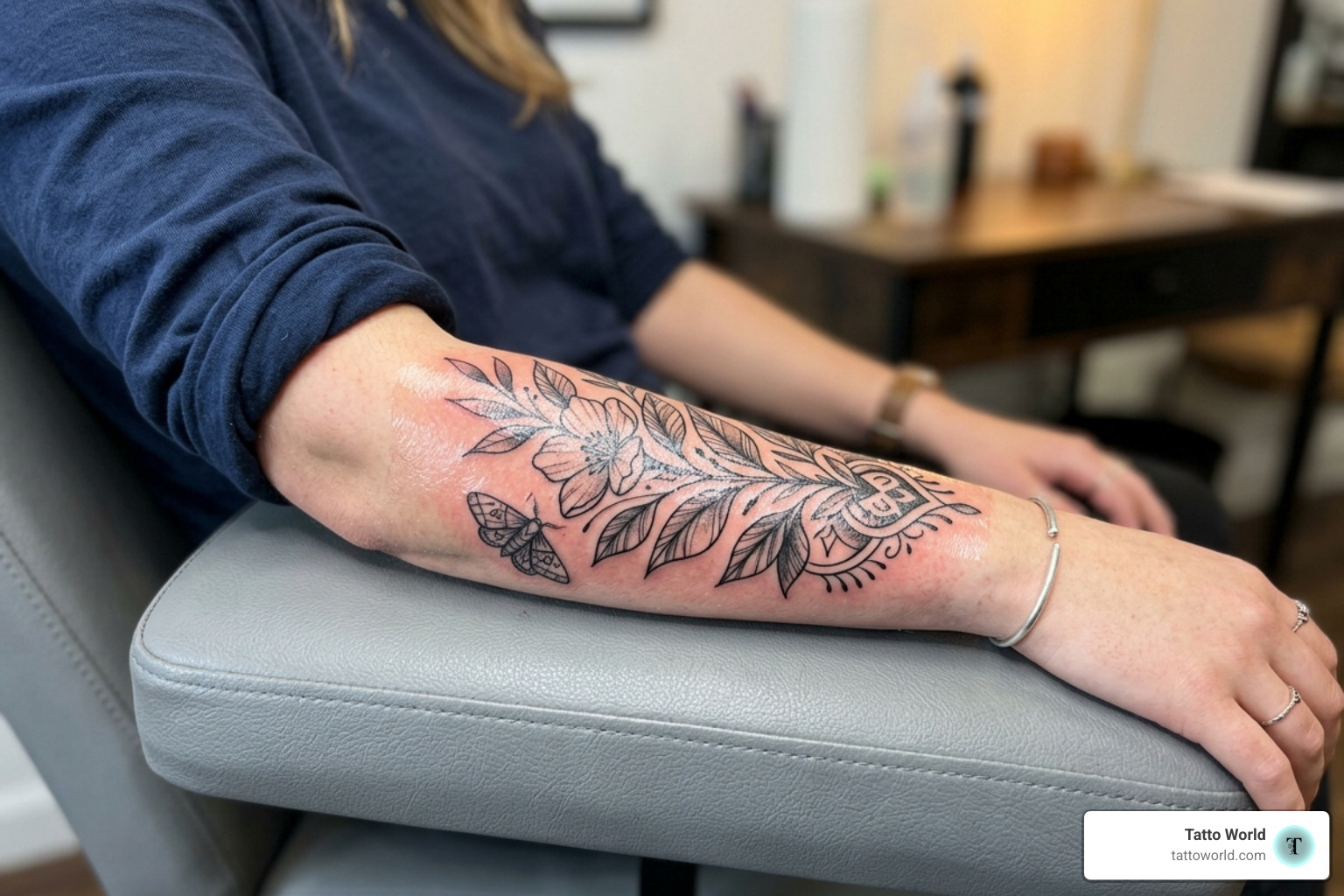
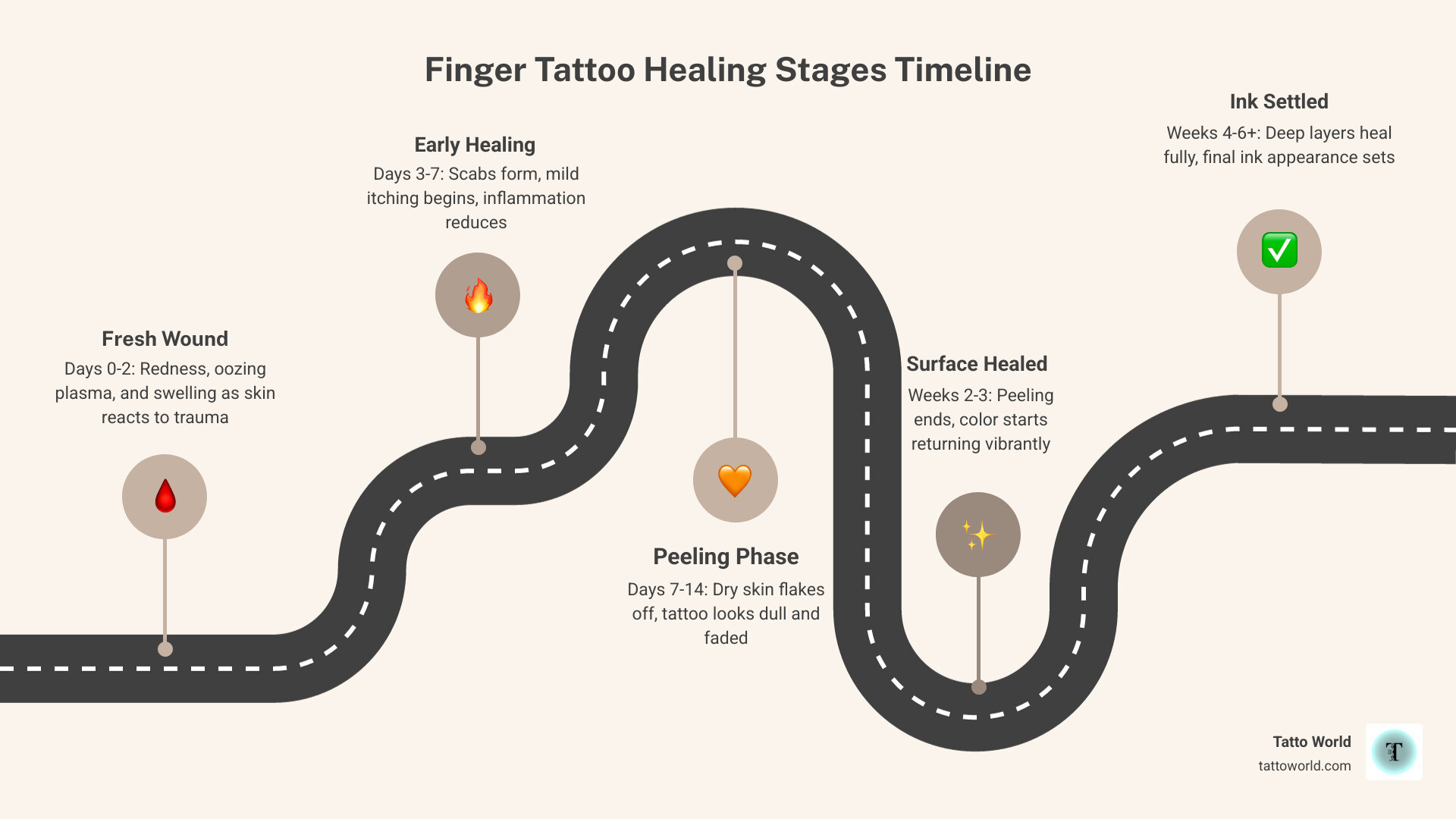
Finger tattoo healing stages typically unfold over 4-6 weeks, though your skin keeps working beneath the surface for up to 6 months. Here’s a quick snapshot so you know what’s ahead:
| Stage | Timeframe | What’s Happening |
|---|---|---|
| Fresh wound | Day 0-2 | Redness, oozing, swelling |
| Early healing | Days 3-7 | Scabbing begins, itching starts |
| Peeling | Days 7-14 | Skin flakes, ink looks dull |
| Surface healed | Weeks 2-3 | Peeling stops, color returns |
| Full ink settling | Weeks 4-6+ | Deep layers finish healing |
Finger tattoos are one of the trickiest placements to heal. Unlike a tattoo on your shoulder or thigh, your fingers are constantly moving, washing, gripping, and rubbing against surfaces — all day, every day. That makes healing both more delicate and more demanding than most people expect.
As tattoo artist wisdom goes, getting inked on your hands is a bit like painting on a canvas that never stops moving. The results can look stunning — but only if you treat the healing process with the care it deserves.
I’m Faisal S. Chughtai, a dedicated tattoo blogger with years of experience researching and writing about finger tattoo healing stages and everything that affects them. Read on for a complete, no-fluff breakdown of what your skin is going through — and exactly how to support it.
Why Finger Tattoo Healing Stages Differ from Other Placements
If you’ve ever had a tattoo on your forearm or back, you might think you know what to expect. However, the fingers are a “completely different beast.” There are several biological and lifestyle reasons why healing here is a unique challenge.
Thin Skin and Nerve Endings
First, the anatomy: the skin on your fingers is incredibly thin. There is very little fat or muscle between the surface and the bone. This not only makes the initial process more painful due to the high concentration of nerve endings, but it also means there is less “cushion” for the ink. Because the skin is so thin, the margin for error during the finger tattoo healing stages is slim.
Constant Movement and Friction
Think about how often you move your hands. Whether you’re typing, cooking, or just scrolling through your phone, your finger joints are constantly bending and stretching. This persistent movement can cause the healing skin to crack or “pop” scabs prematurely, leading to ink loss. Furthermore, our hands are high-friction areas. Every time you reach into a pocket or pull on a pair of gloves, you are essentially “sanding” the healing wound.
Rapid Skin Regeneration
The skin on our hands and feet regenerates much faster than the skin on our torso. While this sounds like a good thing for healing, it’s actually a double-edged sword for tattoos. Because the skin sheds so quickly, the ink has a harder time “settling in.” This is why many artists refer to tattooing palms or the sides of fingers as a “roll of the dice”—the ink simply doesn’t want to stay put. For more perspective on this timeline, you can read this realistic guide on finger tattoo healing.
Exposure to Bacteria
Our hands are our primary tools for interacting with the world, which means they are covered in bacteria. This increases the risk of infection significantly compared to a tattoo tucked away under a shirt. We have to be much more vigilant about hygiene during the first few weeks. For a deeper dive into the general mechanics of tattoo recovery, check out our guide on How To Heal Your New Tattoo Like A Pro.
A Day-by-Day Breakdown of Finger Tattoo Healing Stages
Understanding the timeline helps take the anxiety out of the process. You won’t have to wonder if that weird peeling is normal (spoiler: it usually is).
Day 1: The Fresh Wound Phase
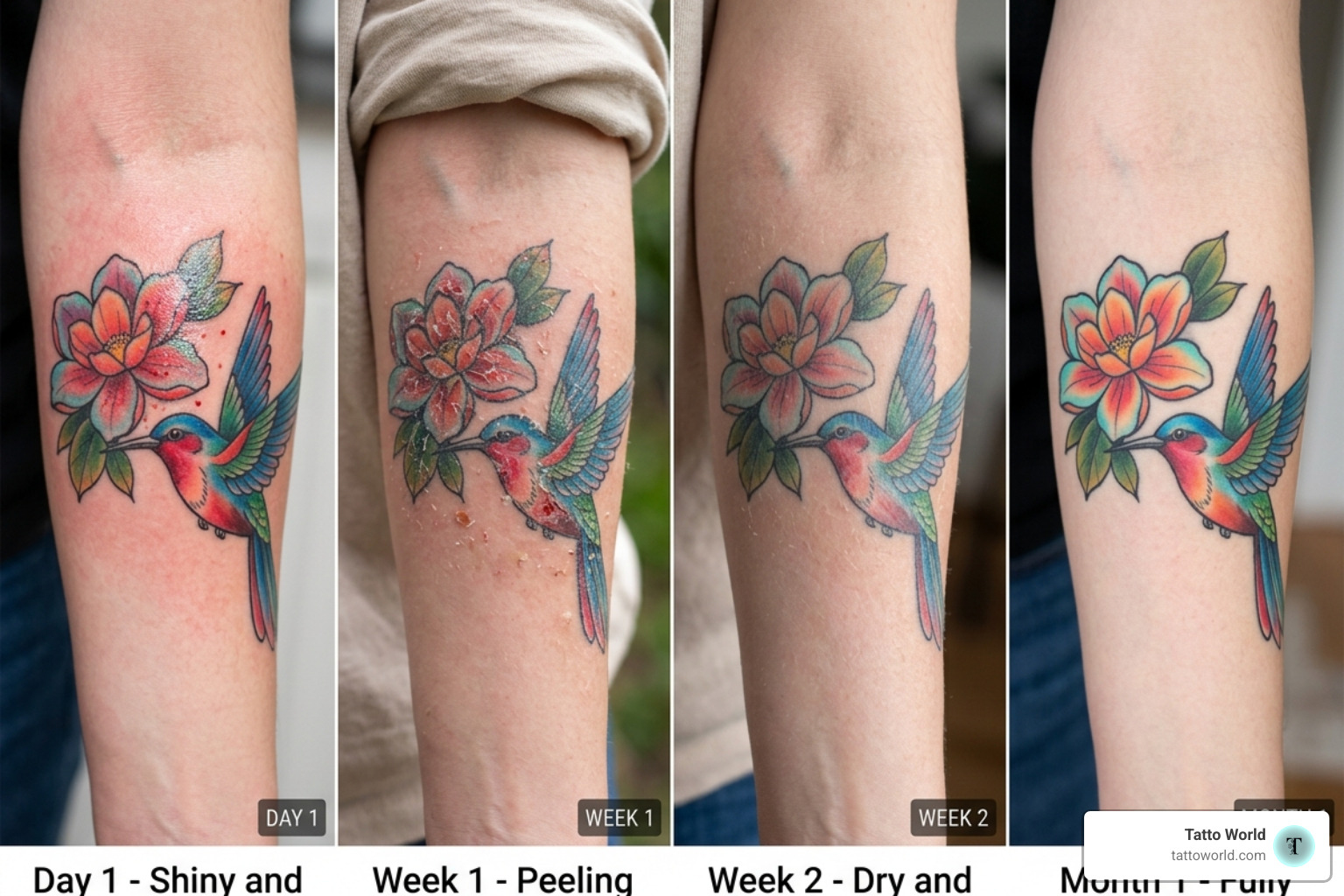
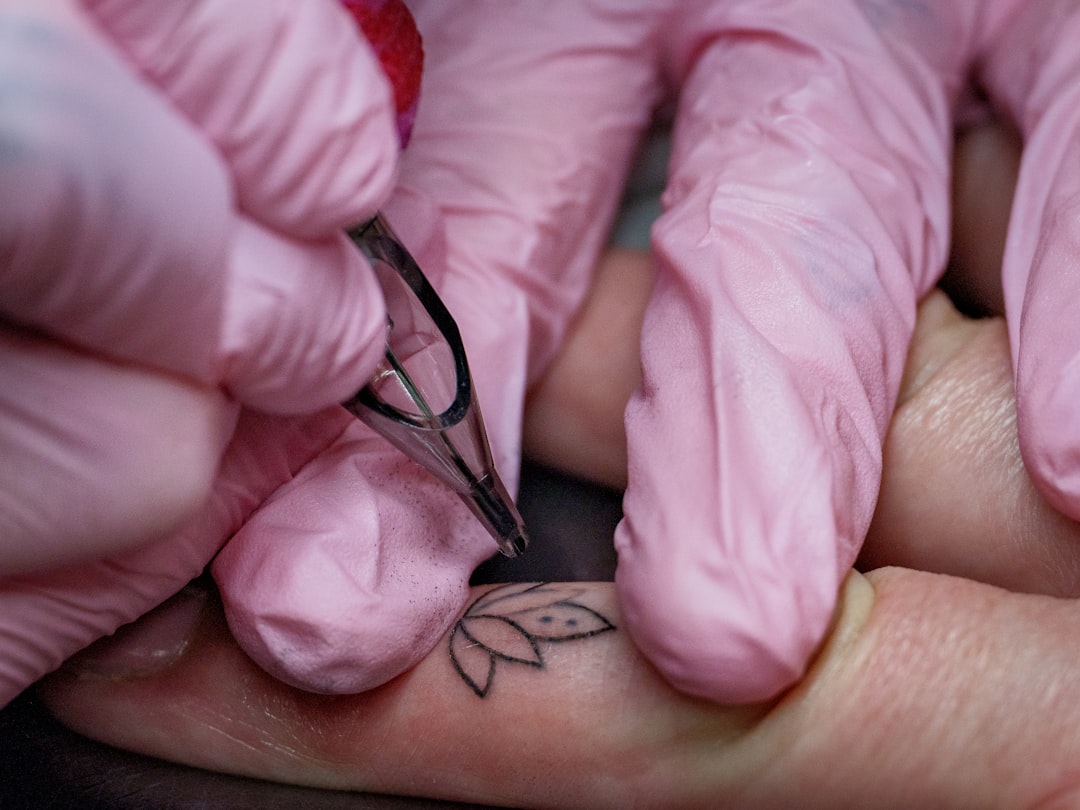
Immediately after the needle stops, your body kicks into high gear. You will likely experience redness, swelling, and a bit of “weeping.” This fluid is a mix of excess ink, plasma, and blood. It’s your body’s natural way of cleaning the wound.
Your artist will likely wrap the finger. A common question we get is: How long should I keep my tattoo wrapped? Generally, for fingers, you’ll want to keep that initial bandage on for at least 2 to 24 hours depending on the type of bandage used. Once it’s off, the finger should stay uncovered to breathe, unless you are doing something particularly dirty (like gardening or handling raw meat), in which case a loose, breathable cover might be needed temporarily.
Days 2–5: The Inflammation Phase
During this window, the initial soreness might turn into a dull ache. The tattoo might look a bit “blurry” or dark as the skin begins to form a protective layer. Swelling is common here because of the lack of circulation in the extremities. If the swelling feels intense, you can learn more about whether it’s safe to ice a tattoo or not to help manage the discomfort.
Days 6–10: The Peeling and Itching Phase
This is the stage that tests your willpower. The tattoo will start to flake and peel, much like a sunburn. It will also become incredibly itchy. This is a sign of skin regeneration, but it’s also the most dangerous time for the ink. If you pick at a flake, you might pull out the ink that hasn’t fully settled yet, leading to a patchy look.
Weeks 2–4: The Maturation Phase
By the end of the second week, the surface peeling should be finished. The tattoo might look a little dull or “cloudy”—this is often called “silver skin.” It’s just new skin growing over the ink. Over the next few weeks, the ink will settle deeper into the dermis, and the vibrancy will slowly return.
| Stage | Surface Healing | Deep Tissue Healing |
|---|---|---|
| Duration | 2–3 Weeks | 4–6 Months |
| Visible Signs | Peeling, scabbing, redness | None (skin looks normal) |
| Care Level | High (cleaning/moisturizing) | Low (sunscreen/hydration) |
Essential Aftercare for Every Finger Tattoo Healing Stage
Because fingers are so exposed, your aftercare routine needs to be disciplined. You can’t just “set it and forget it.”
The Golden Rule of Cleaning
Yes, you can (and must) wash your hands! In fact, we recommend washing the tattooed area about 3 times a day. Use lukewarm water and a liquid, fragrance-free antibacterial soap. Avoid bar soaps, as they can harbor bacteria in the cracks.

When you’re done, do not rub the tattoo with a towel. Instead, pat it dry very gently with a clean, disposable paper towel. For more details on what products won’t irritate your new ink, see our list of what cleansers are safe for new tattoos.
Moisturizing: Less is More
After cleaning, you need to moisturize to prevent the skin from cracking. However, over-moisturizing is a common mistake. If you apply too much, you “suffocate” the tattoo, which can lead to “bubbling” or infection.
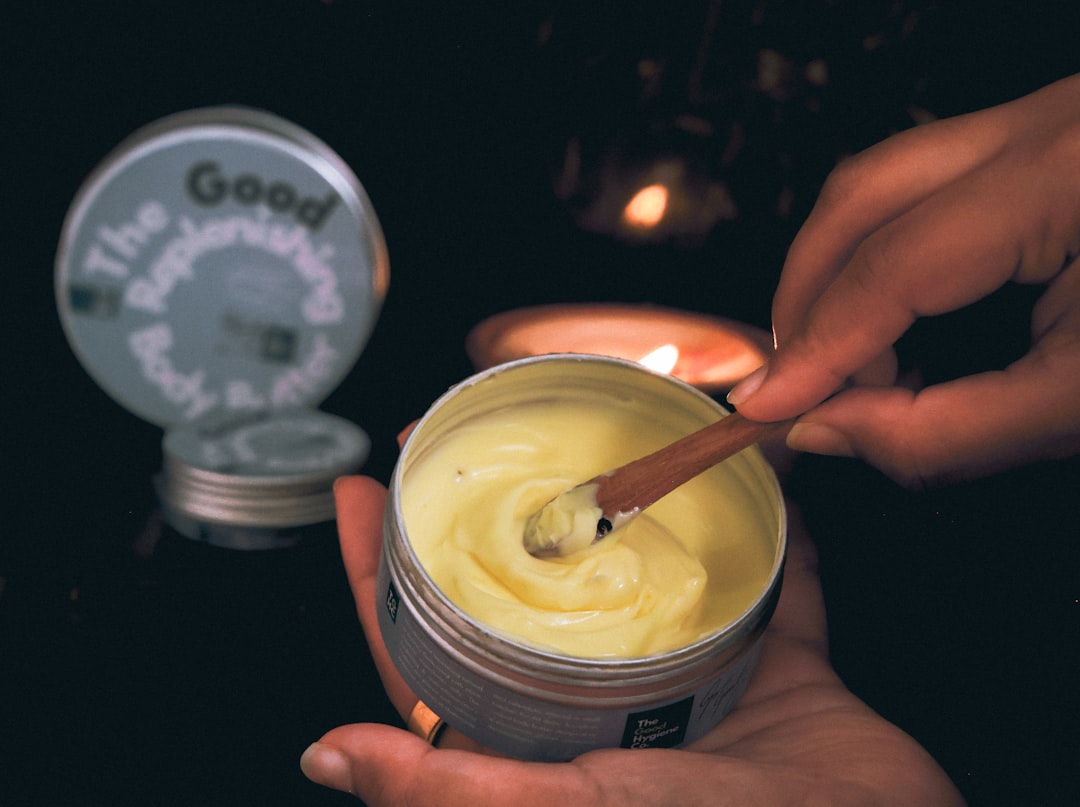
Apply a very thin layer of fragrance-free lotion or a specialized tattoo balm. You’re aiming for a light “satin sheen,” not a thick coat of grease. If you notice your skin getting too dry, you might wonder, why is my tattoo cracking? This usually happens when the skin loses too much elasticity, making it vital to keep a consistent (but light) moisture barrier. You can also find more detailed advice on how to heal your hand and finger tattoos correctly to ensure the best results.
Expert tip: Some dermatologists recommend barrier repair creams like Avène Cicalfate+ during the finger tattoo healing stages to help rebuild the skin’s natural defenses more quickly.
Managing Itching and Peeling During Finger Tattoo Healing Stages
When the itch sets in, it can be maddening. Whatever you do, do not scratch! Scratching creates micro-tears in the healing skin and introduces bacteria from under your fingernails.
If the itch is driving you crazy, try these tips:
- The Tap Method: Gently tap or pat the area instead of scratching.
- Cool Compress: A clean, cool (not freezing) compress can soothe the nerves.
- Moisturize: Often, the itch is just a sign that the skin is too dry.
- Rubbing Fingers: If the tattoo is on the side of a finger, you can gently rub your other fingers together to create a bit of friction nearby without touching the tattoo itself.
For a specific timeline on when the “danger zone” for scratching ends, read When can you scratch a tattoo.
Long-Term Preservation After the Finger Tattoo Healing Stages
Once the 4–6 week mark has passed, your tattoo is “healed” on the surface, but the work isn’t over. Because hands are constantly exposed to the sun and elements, finger tattoos fade significantly faster than other areas.
- Sunscreen is Non-Negotiable: Once the skin is fully healed (usually after 3 weeks), apply a broad-spectrum SPF 30+ every single time you go outside. UV rays break down tattoo pigment faster than almost anything else.
- Daily Hydration: Keep using a fragrance-free lotion daily. Healthy, hydrated skin holds ink better than dry, sloughing skin.
- Expect Touch-Ups: Most finger tattoos will need a “refresh” every 2 to 3 years. This is simply the nature of the placement. Don’t be discouraged if some lines go a bit “shadowy” or light; it’s a standard part of the hand-tattoo experience.
Common Mistakes and When to See a Doctor
Even with the best intentions, things can go sideways. Here are the red flags to watch for:
- Soaking the Tattoo: Avoid swimming, hot tubs, and long baths for at least 3 weeks. Water can soften the scabs and pull the ink out, or worse, introduce bacteria from the pool or lake.
- Using the Wrong Products: Stay away from petroleum jelly (like Vaseline) for the long term, as it’s too thick and can trap bacteria. Stick to water-based, fragrance-free lotions.
- Ignoring Infection Signs: It is normal for a tattoo to be red and sore for a few days. It is not normal to see:
- Pus or yellow/green discharge.
- Red streaks radiating from the tattoo.
- A fever or “flu-like” feeling.
- Intense, throbbing pain that gets worse after day 3.
If you suspect an infection, don’t wait. See a doctor immediately. They will likely prescribe a round of antibiotics that will clear it up quickly without ruining your art—but only if caught early!
Frequently Asked Questions about Finger Tattoos
Can I wash my hands after getting a finger tattoo?
Yes! In fact, you should. However, you must be gentle. Use lukewarm water and mild, liquid antibacterial soap. Avoid scrubbing the area with a washcloth or loofah. Pat the area dry with a clean paper towel rather than a cloth towel, which can harbor bacteria or snag on scabs. We recommend washing about 3 times a day or after any activity where your hands might have gotten dirty.
Why do finger tattoos fade so much faster?
Fingers are high-traffic areas. The skin on your hands is subjected to constant movement, friction from clothing and objects, and frequent washing. Additionally, the skin on our hands regenerates faster than almost anywhere else on the body. This rapid “turnover” of skin cells means the ink is literally being pushed out and shed over time. Most finger tattoos begin to show significant fading within 6 to 8 months without proper care.
When is it safe to swim or exercise?
You should wait at least 3 to 4 weeks before submerging your hand in water (pools, lakes, oceans, or even dishwater). For exercise, you should avoid heavy lifting or sports that involve gripping (like tennis or weightlifting) for the first 2 weeks. The friction and sweat can irritate the wound and cause the skin to crack, leading to poor ink retention. If you must do dishes, wear loose-fitting waterproof gloves, but take them off immediately after to prevent sweat buildup.
Conclusion
Navigating the finger tattoo healing stages requires a mix of patience, discipline, and realistic expectations. While these tattoos are notorious for being difficult, following a strict aftercare regimen can make the difference between a piece of art that lasts years and one that disappears in months.
Your body is doing the heavy lifting, but you are the site manager. Keep it clean, keep it lightly moisturized, and for the love of ink, stop picking at it!
At Tatto World, we are dedicated to helping you make the most of your body art journey. Whether you’re a first-timer or a chronic ink enthusiast, we’ve got the resources you need to heal like a pro. More info about tattoo aftercare services can be found on our main site. Happy healing!