How Bad Does an Inner Bicep Tattoo Really Hurt?
Inner bicep tattoo pain is rated between 6 and 9 out of 10 on most pain scales — making it one of the more intense spots on the arm to get inked.
Here’s a quick snapshot before we dive deeper:
| Factor | Inner Bicep |
|---|---|
| Pain Level | 6–9 / 10 |
| Skin Type | Thin, soft, sensitive |
| Nerve Density | High (ulnar and median nerves) |
| Compared to Outer Bicep | Significantly more painful (outer = 3–4/10) |
| Pain Sensations | Sharp, burning, raw nerve pain |
| Pain Duration After Session | A few days; fully subsides in 1–2 weeks |
The inner bicep is a coveted tattoo placement — sleek, personal, and easy to conceal. But it comes with a real pain reputation that even experienced tattoo enthusiasts take seriously.
Why does it hurt so much? The skin on your inner arm is thinner and softer than on the outer side. Major nerves run close to the surface there. And there’s very little fat or muscle to cushion the needle. That combination makes every pass of the tattoo machine feel sharper and more intense than most other spots.
One tattoo blogger described her inner bicep experience as “agonizing,” with bruising that lasted a full week. That’s not meant to scare you — it’s meant to help you prepare.
I’m Faisal S. Chughtai, a dedicated tattoo blogger with years of experience covering everything from tattoo tips to pain management, including the realities of inner bicep tattoo pain. In this guide, I’ll walk you through exactly what to expect — and how to handle it like a pro.

Why Inner Bicep Tattoo Pain is So Intense
When we talk about Tattoo Pain, the inner bicep is frequently cited as a “test of resolve.” To understand why, we have to look under the surface—literally. The anatomy of the inner arm is vastly different from the rugged outer shoulder.
Thin Skin and Nerve Density
The skin on the inner bicep is some of the most delicate on the entire body. Unlike the outer arm, which is constantly exposed to the elements, the inner arm is protected, resulting in skin that is thin, soft, and highly elastic. According to scientific research on skin sensitivity, areas with thinner dermis layers allow the tattoo needle to get much closer to the underlying nerve receptors.
The inner bicep serves as a “superhighway” for several major nerves. The ulnar nerve and the median nerve run directly through this area. Because these nerves are situated so close to the surface, the rapid-fire puncturing of the needle—which can happen between 50 to 3,000 times per minute—triggers a high-frequency response from your central nervous system.
Proximity to the Armpit and Lymph Nodes
As the tattoo design moves closer to the armpit, the inner bicep tattoo pain typically skyrockets. The armpit is a cluster of lymph nodes and extremely sensitive glands. Tattooing near these structures often causes significant swelling and a sensation that many describe as “electric shocks” or “raw burning.”
Lack of Fat Padding
While the bicep muscle itself can be quite large, the inner portion of the arm often lacks the dense subcutaneous fat found on the thighs or buttocks. Without this fatty “buffer,” there is very little to absorb the vibrations of the tattoo machine. This leads to a sensation where the vibration feels like it is echoing through the bone and surrounding tendons.
Comparing Inner vs. Outer Bicep Pain Levels
If you are trying to decide between the inside or the outside of your arm, the difference in comfort is night and day. We often tell our readers at TattooWorld that if the outer bicep is a “walk in the park,” the inner bicep is a “mountain climb.”
| Feature | Outer Bicep | Inner Bicep |
|---|---|---|
| Pain Score | 3–4 / 10 | 7–9 / 10 |
| Skin Thickness | Thick and tough | Thin and delicate |
| Nerve Concentration | Low | Very High |
| Cushioning | High (Muscle & Fat) | Low (Close to Nerves) |
| Sensation | Dull ache / Scratching | Sharp sting / Burning |
The outer bicep is often recommended for first-timers because the skin is tougher and more accustomed to friction. In contrast, the inner bicep experiences high levels of friction against the torso, which not only makes the tattooing process more painful but can also complicate the healing phase. For more pointers on choosing your spot, check out our Tattoo Tips.
Sensory Experience of Inner Bicep Tattoo Pain
What does it actually feel like? It isn’t just one type of pain; it’s a symphony of discomfort that changes based on the artist’s technique.
- Sharp Stinging: Usually felt during the outlining phase when a single needle or a small grouping is used to create crisp lines.
- Burning Sensation: Common during shading or “color packing,” where the artist goes over the same sensitive area multiple times.
- Raw Nerve Pain: A unique sensation to the inner arm where it feels like the needle is touching a live wire.
- Vibrating Over Bone: Though the bicep is a muscle, the vibrations often travel to the humerus (arm bone), creating an uncomfortable “rattle” in the limb.

Strategies to Minimize Discomfort and Anxiety
You don’t have to just “tough it out” and suffer. Proper preparation can drop your perceived pain level by several points. Managing your body’s chemistry is just as important as the tattoo itself.
The Basics: Hydration, Nutrition, and Sleep
- Hydration: Drink at least 8 glasses of water a day for the 48 hours leading up to your session. Hydrated skin is more supple, takes ink better, and heals faster.
- Nutrition: Eat a full, protein-rich meal about 2–3 hours before your appointment. This prevents your blood sugar from dropping, which can lead to lightheadedness or fainting when the adrenaline kicks in.
- Sleep: A well-rested nervous system is much more capable of handling prolonged pain than an exhausted one.
Mental Focus and Breathing
Research on pain management and mental focus shows that controlled, deep breathing can actually inhibit the pain signals sent to the brain. When the needle hits a particularly sensitive spot, avoid holding your breath; instead, focus on slow, rhythmic exhales.
Medical Considerations
Some people wonder about using medication to take the edge off. For example, Will Gabapentin Help with Tattoo Pain? is a common question. While Gabapentin is used for nerve pain, it is a prescription medication and should only be used under a doctor’s guidance. Generally, we recommend avoiding blood thinners like aspirin or ibuprofen, as they can cause excessive bleeding and wash out the ink.
Professional Tips to Reduce Inner Bicep Tattoo Pain
Many artists have specific tools in their kit to help you through the session.
- Numbing Cream: A high-quality Numbing Cream can significantly dull the initial “bite” of the needle. However, you should always ask your artist first. Why Don’t Tattoo Artists Use Numbing Cream? Some believe it changes the skin texture or makes the ink harder to pack.
- Bactine: This is a secret weapon for many. Is Bactine Good for Tattoos? Yes—Bactine contains lidocaine and can be sprayed on the skin once it has been “broken” (after the outline is done) to provide mid-session relief.
- Artist Technique: A skilled artist will know how to adjust their needle pressure and speed when working on the thin skin of the inner arm to prevent “blowouts” and minimize trauma.
Healing and Aftercare for Inner Arm Tattoos
The battle isn’t over once you leave the shop. Because the inner bicep is constantly rubbing against your ribs, the healing process requires extra vigilance.
Friction and Swelling
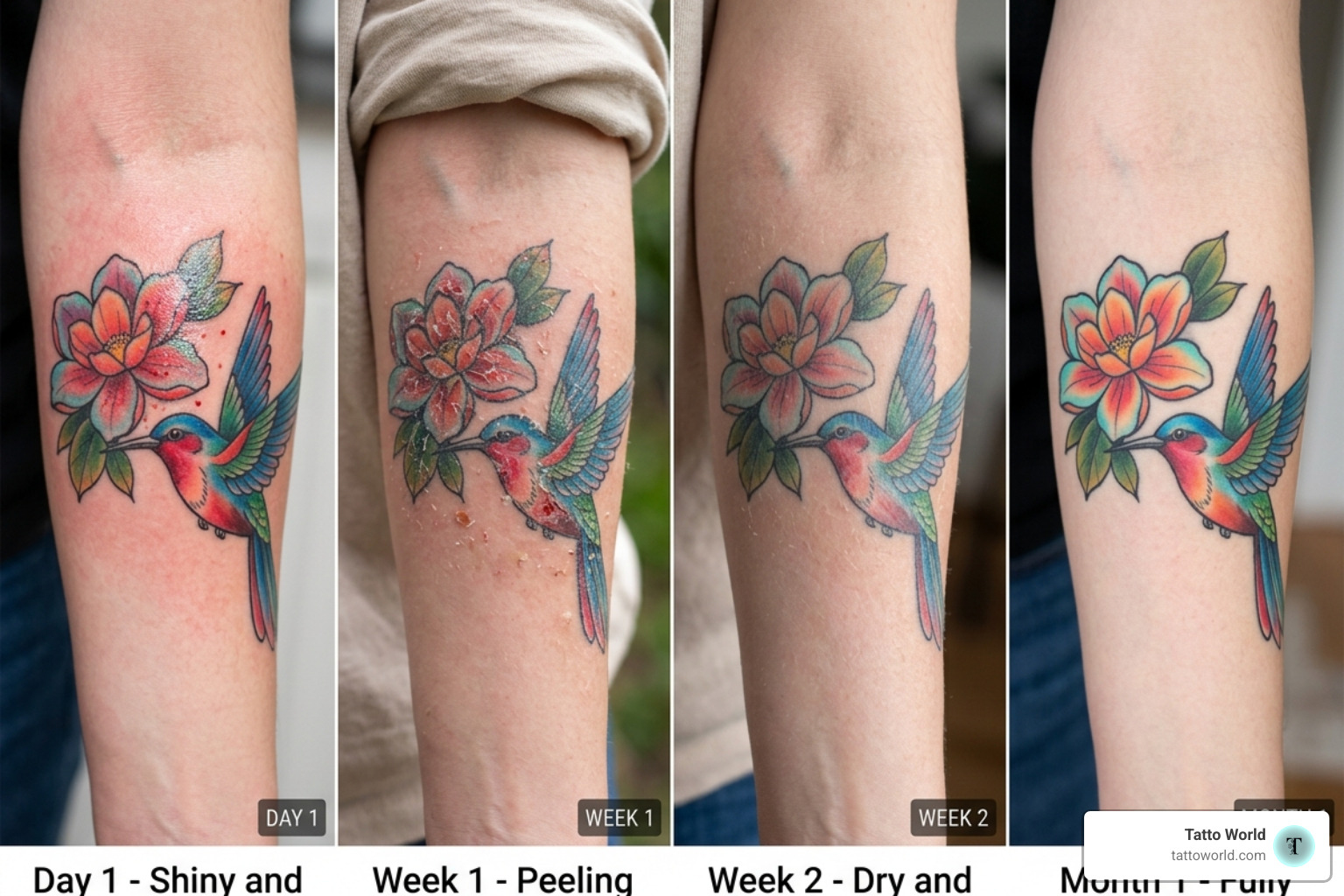
The inner arm is prone to significant swelling and even bruising. It is not uncommon for your arm to feel “heavy” or “sore” for the first 48 hours. Using a protective wrap is essential to prevent the fresh wound from rubbing against your clothing. You might wonder, How Long Should I Keep My Tattoo Wrapped? Typically, a Tattoo Wrapped in a medical-grade adhesive bandage (like Saniderm) can stay on for several days, which greatly reduces friction pain.
Managing Post-Session Soreness
Can you use Ice to help with the swelling? Can You Ice a Tattoo or Not? The answer is yes, but with caution. You should never put Ice on Tattoo directly. Instead, wrap an ice pack in a clean towel and apply it to the area around the tattoo or over a clean bandage for 10–15 minutes at a time to reduce inflammation.
Frequently Asked Questions and Conclusion
At TattooWorld, we want your journey into Tattoo art to be as informed and comfortable as possible. The inner bicep tattoo pain is real, but the result—a beautiful, hidden piece of art—is often worth every second of the sting.
Final Survival Tips:
- Wear loose clothing: Avoid tight sleeves that will irritate the area.
- Stay distracted: Bring headphones, a movie, or a friend to talk to.
- Listen to your body: If the pain becomes overwhelming, ask for a 5-minute break.
- Avoid the gym: Strenuous bicep curls can stretch the skin and damage the healing ink.
Is an inner bicep tattoo advisable for a first-timer?
While the outer bicep is the “gold standard” for a first tattoo, the inner bicep is doable if you have a high pain threshold. However, if you are nervous about needles or have low pain tolerance, you might want to start with a less sensitive area to see how your body reacts to the sensation.
How long does the pain last after the session?
The “sharp” pain stops the moment the needle lifts. Afterward, you’ll experience a dull, sunburn-like soreness for about 3 to 7 days. The deep tenderness usually subsides within two weeks as the skin closes and the initial healing phase completes.
Does the size or detail of the design impact the pain?
Absolutely. A small, simple script tattoo might only take 20 minutes, which is manageable for almost anyone. However, a large, photorealistic portrait with heavy shading requires hours of needlework. The longer the session, the more your natural endorphins wear off (usually after 3–4 hours), making the final stages of the tattoo feel significantly more painful.
For more expert advice on placements, meanings, and the latest in tattoo culture, visit us at https://tattoworld.com/. Happy inking!